
53 results
-
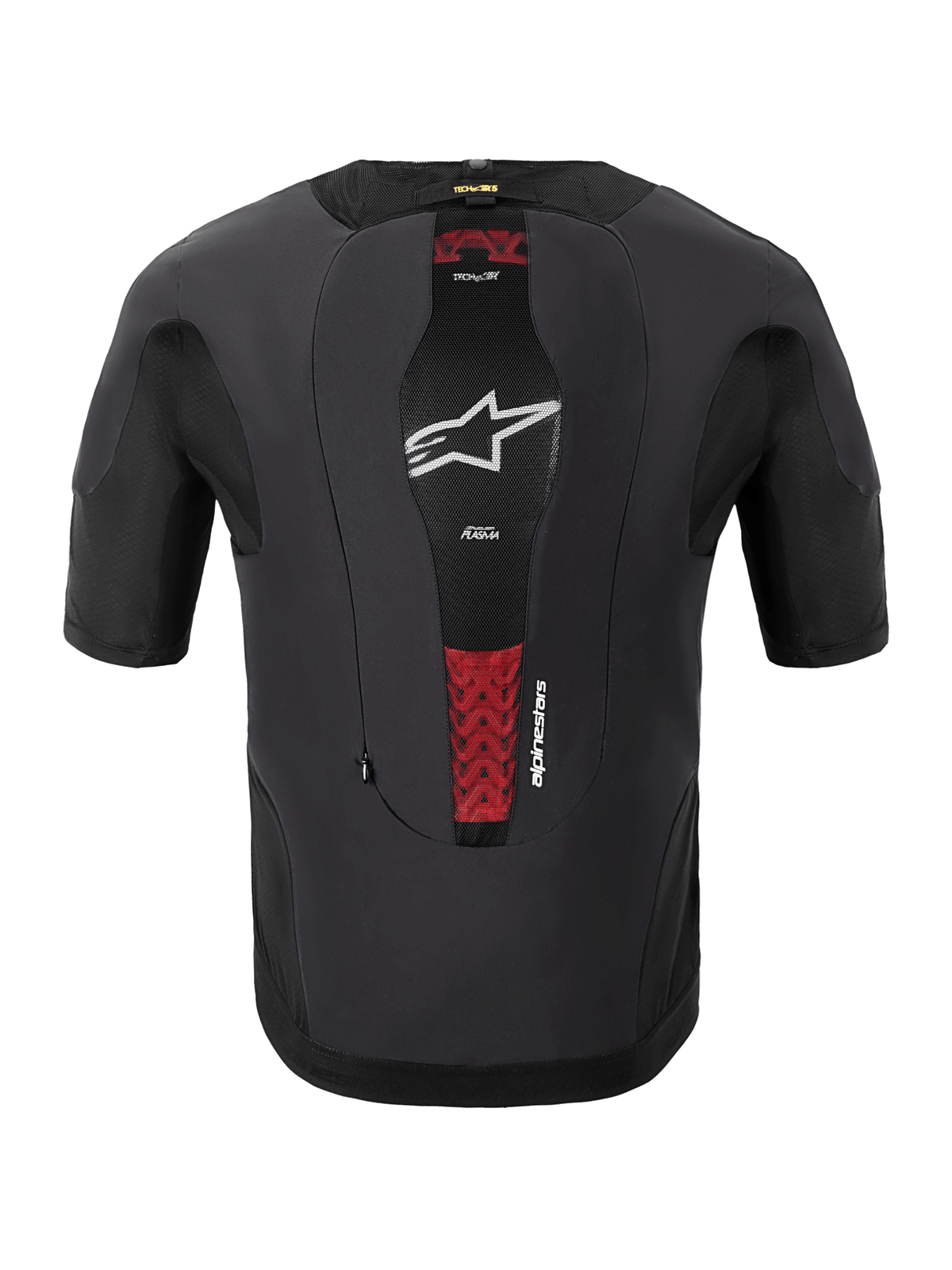
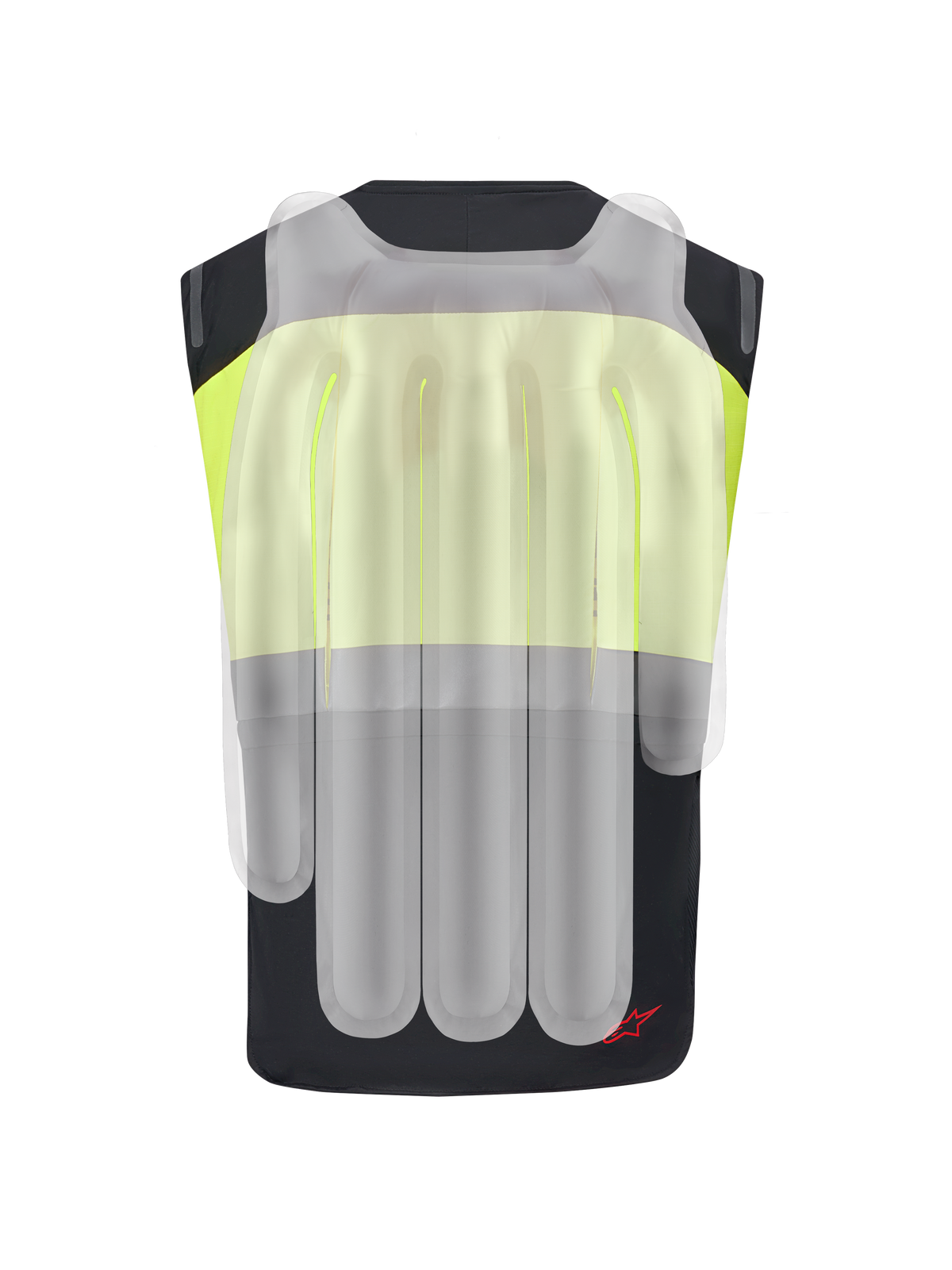
Tech-Air® 5 Plasma System -
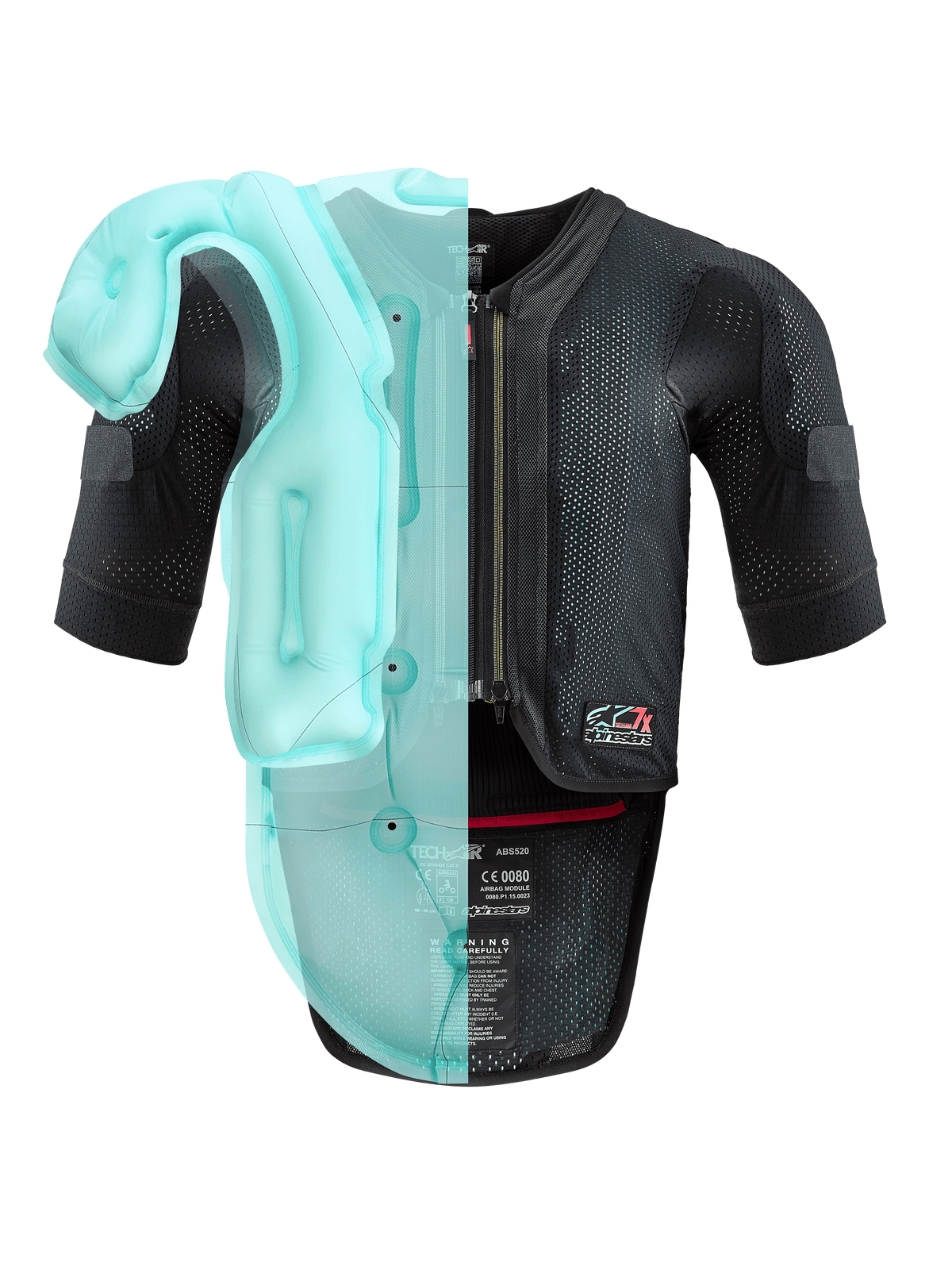
Tech-Air® 7X System -
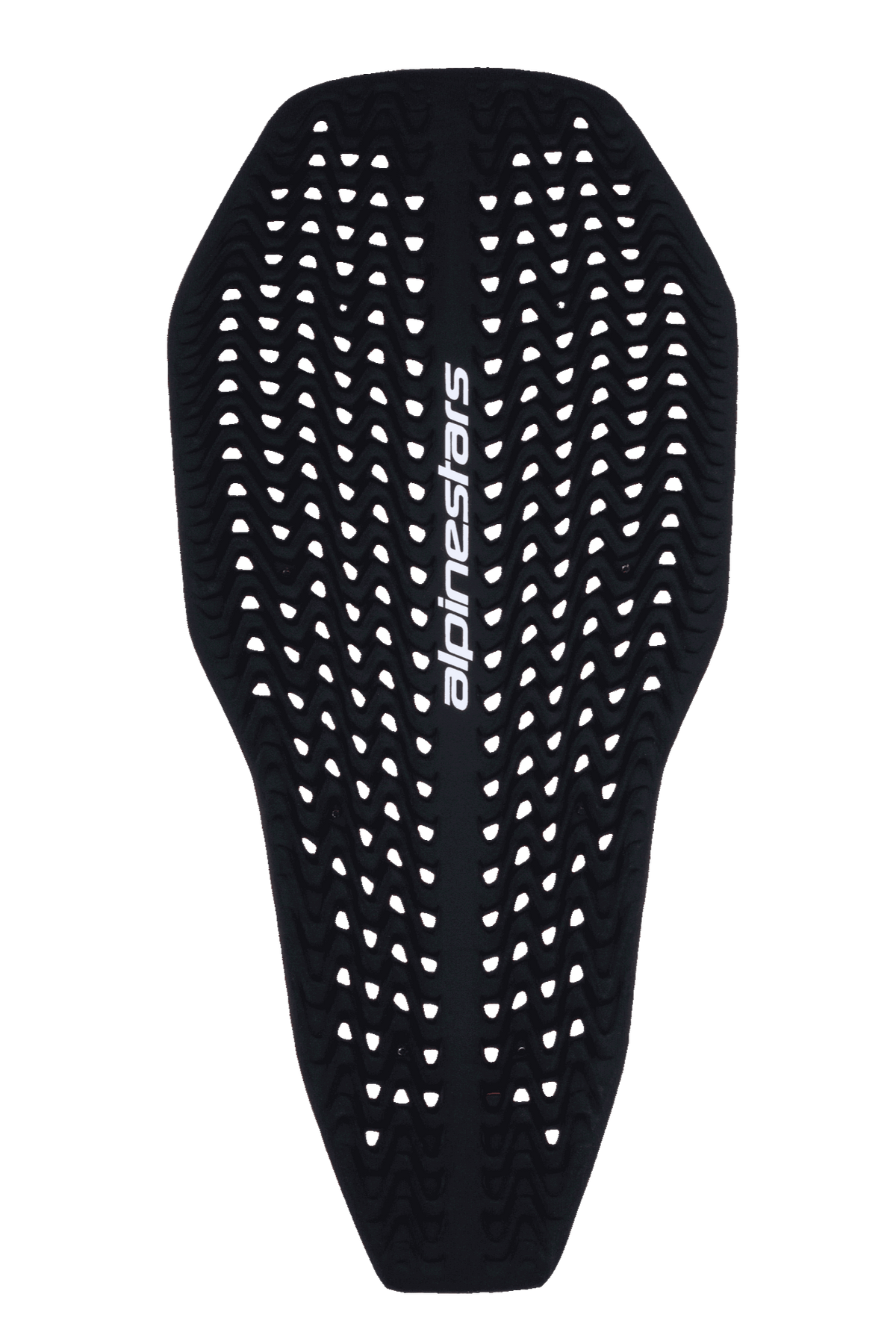
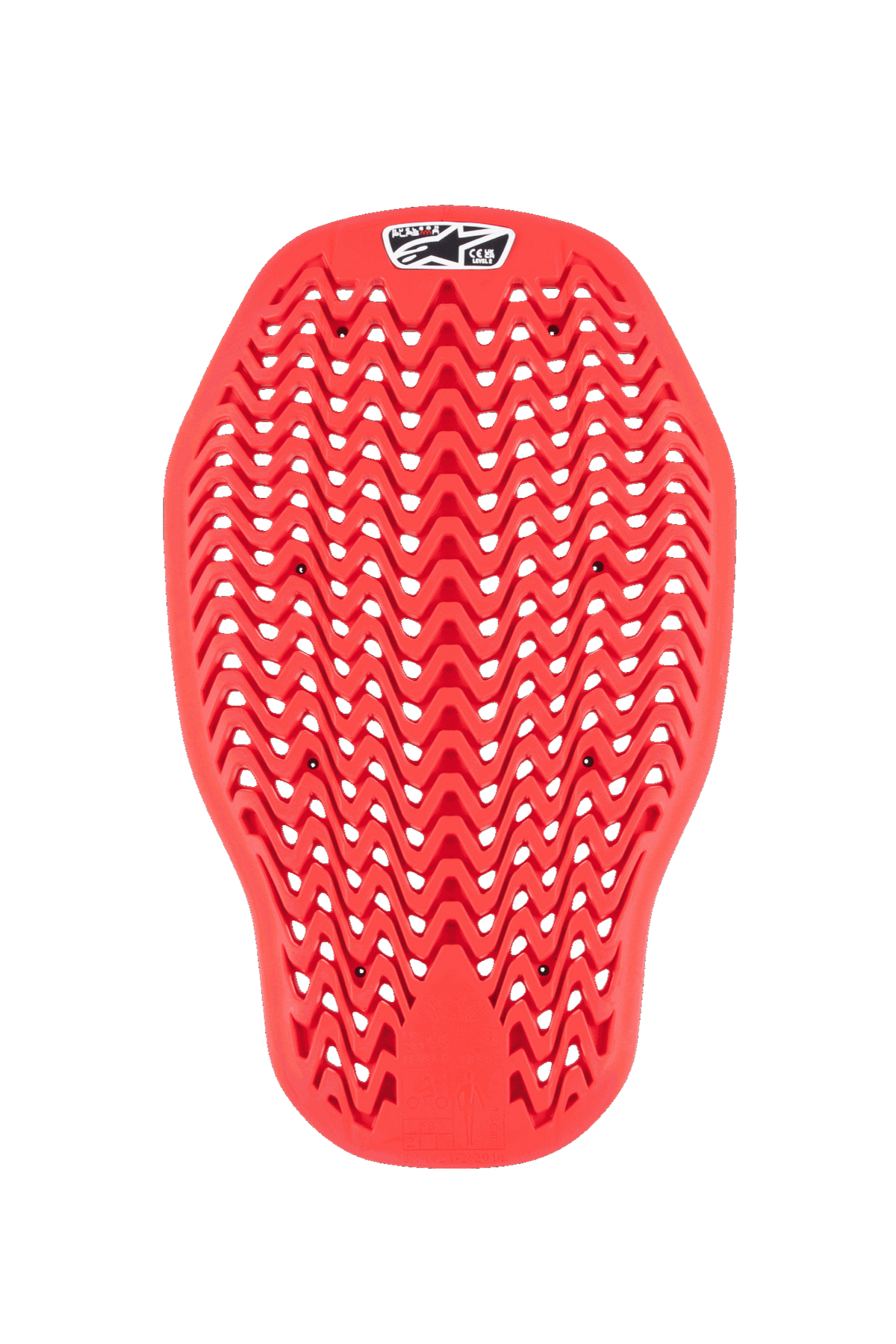
Nucleon Plasma Full Back Protector Insert -
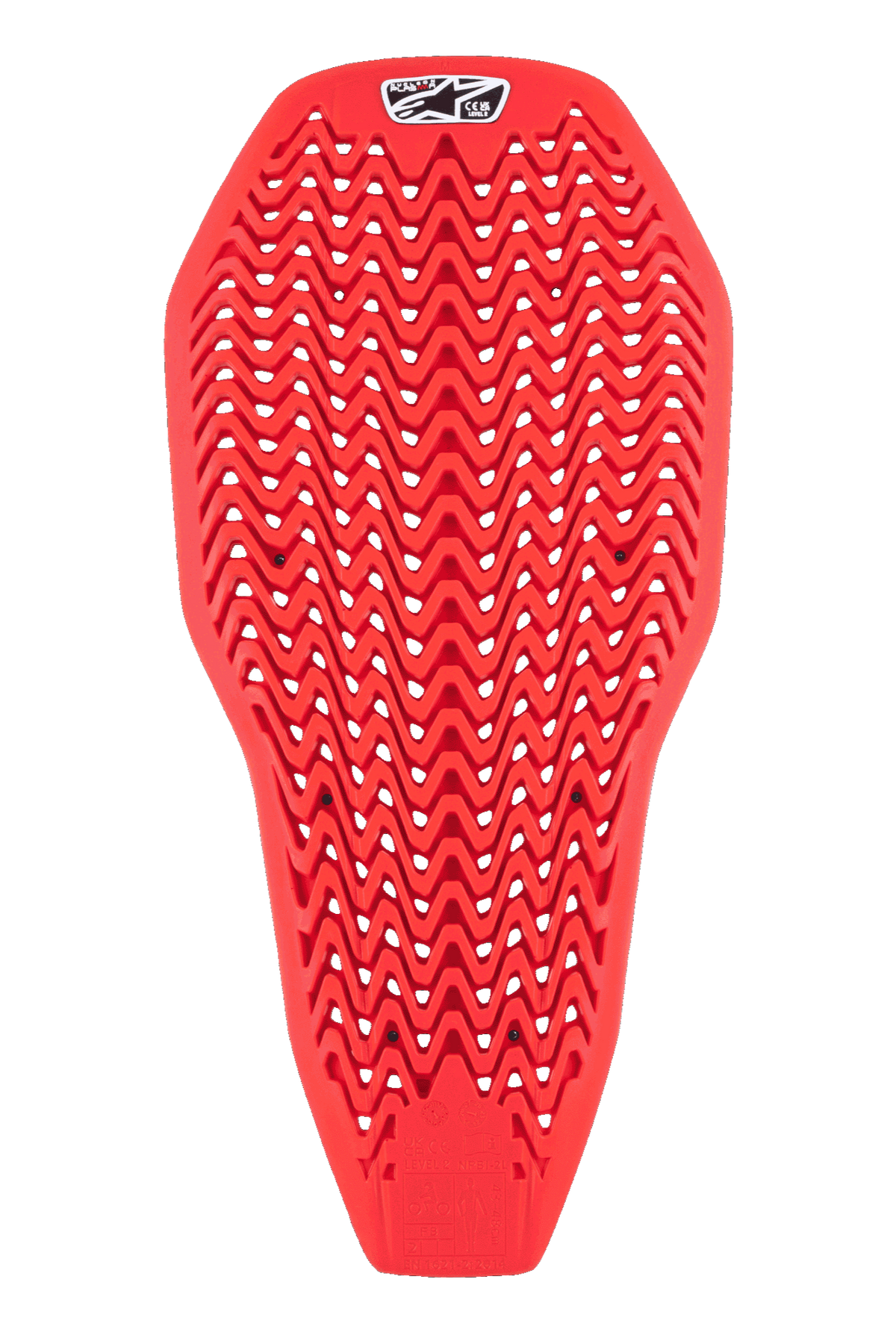
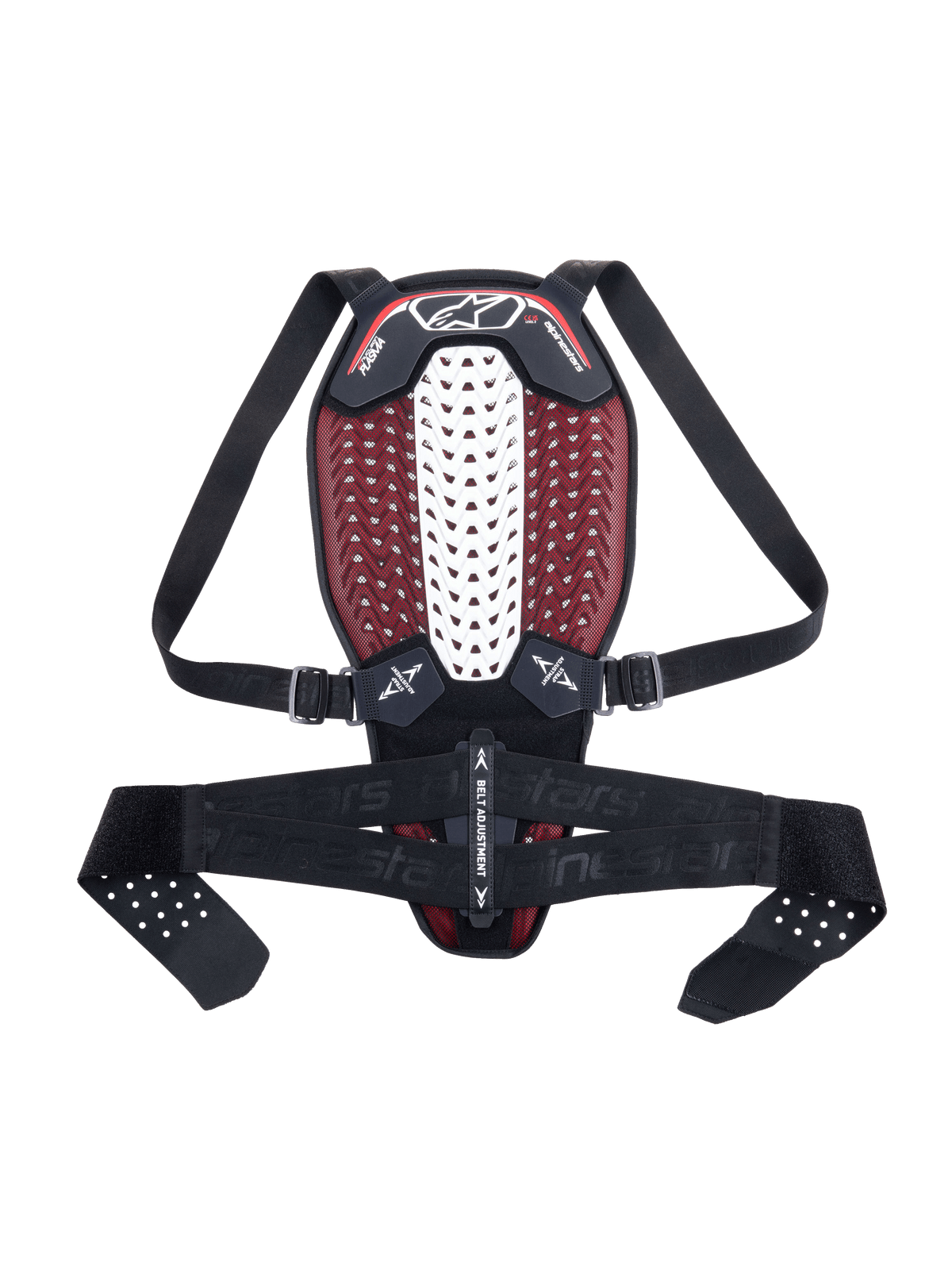
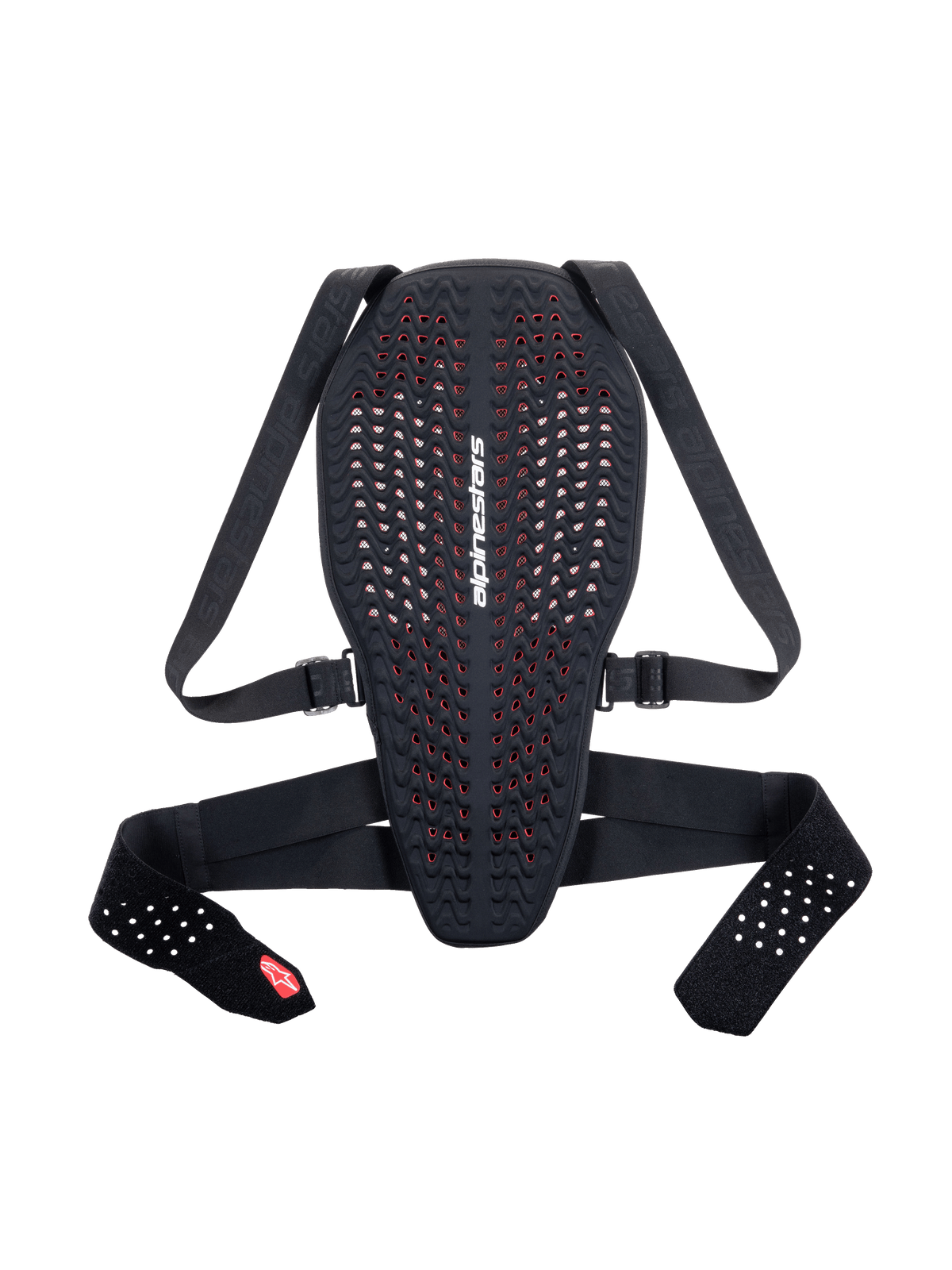
Nucleon Plasma Back Protector Insert -
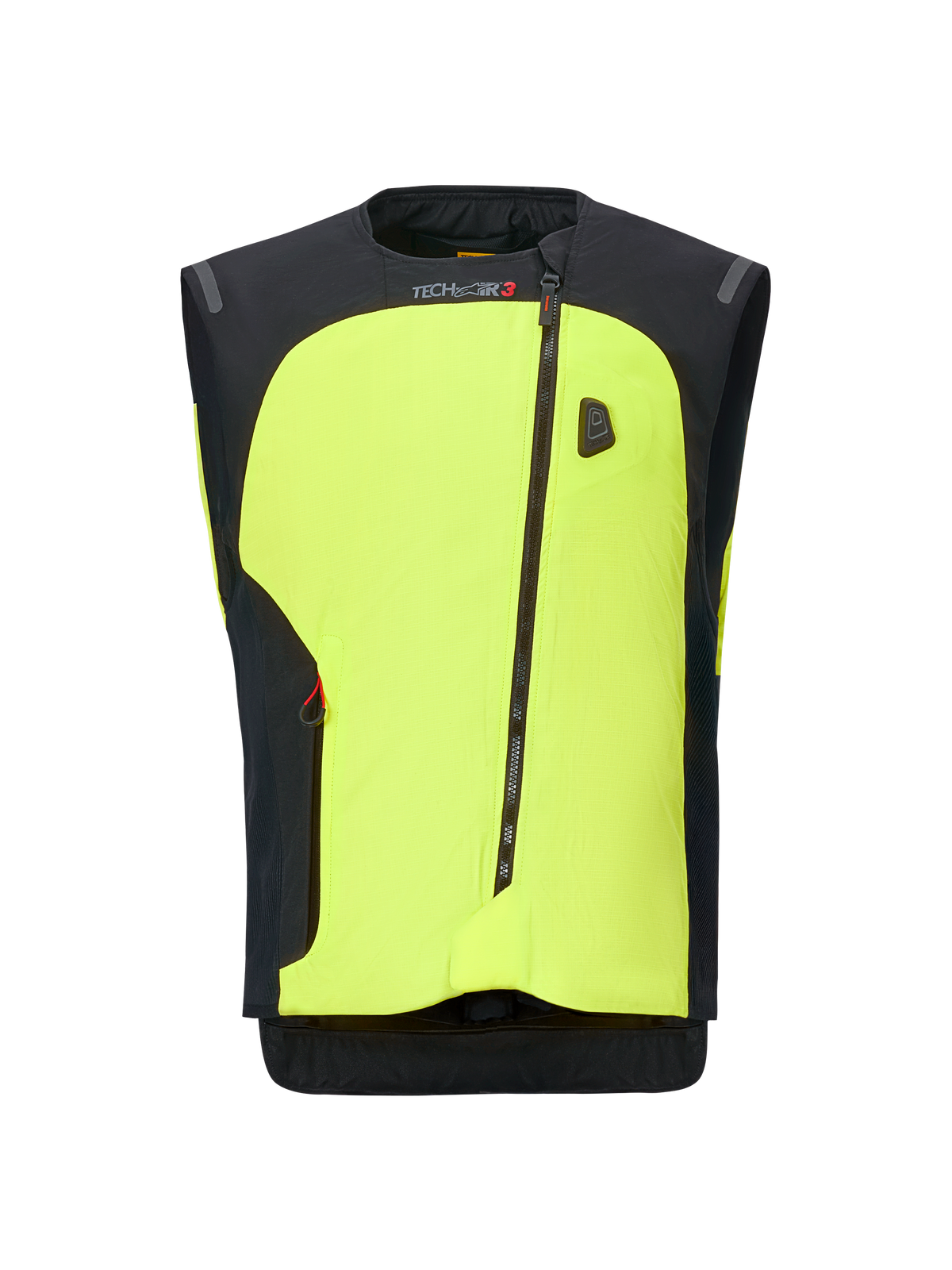
Tech-Air® 3 V2 System -
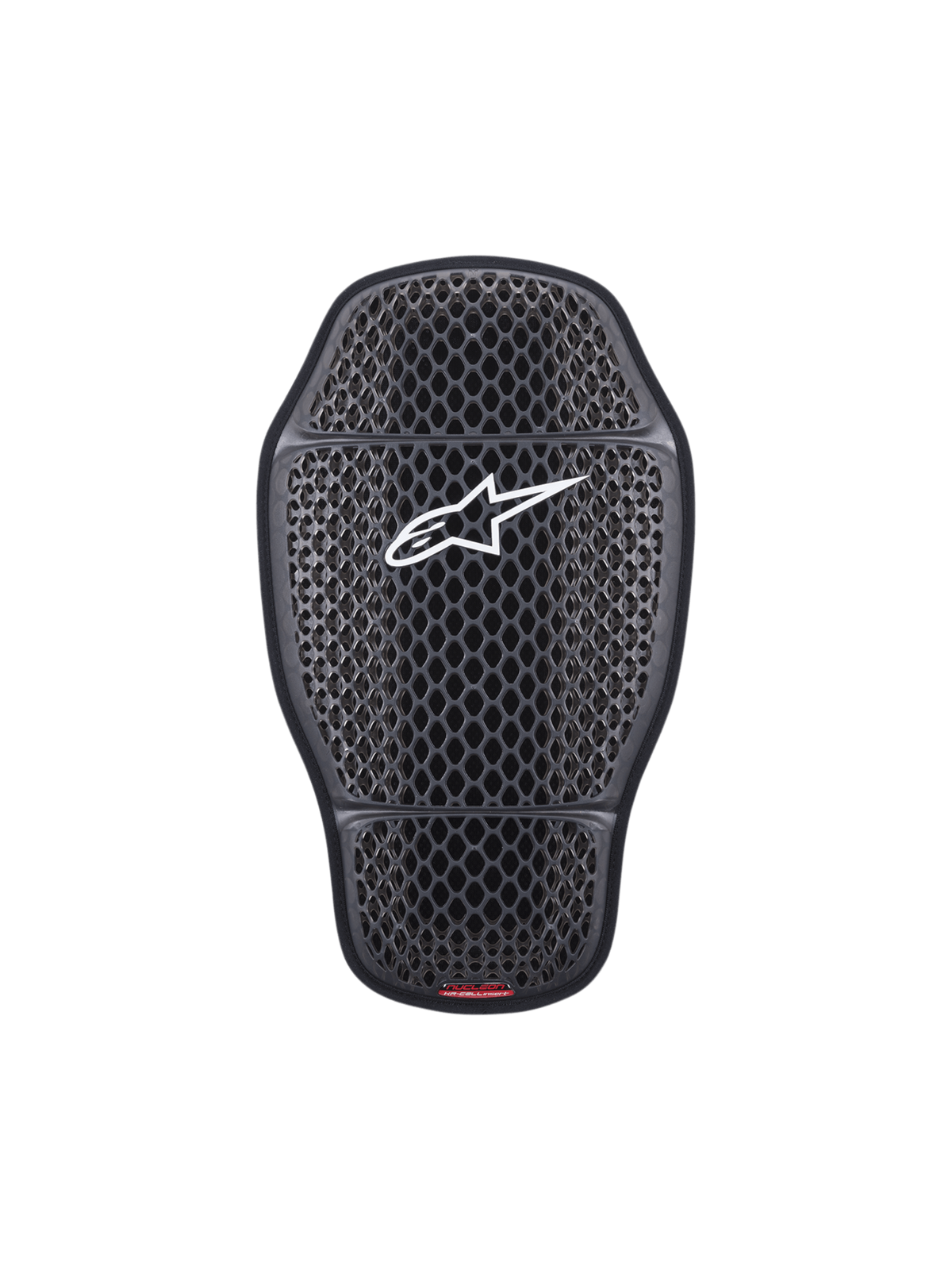
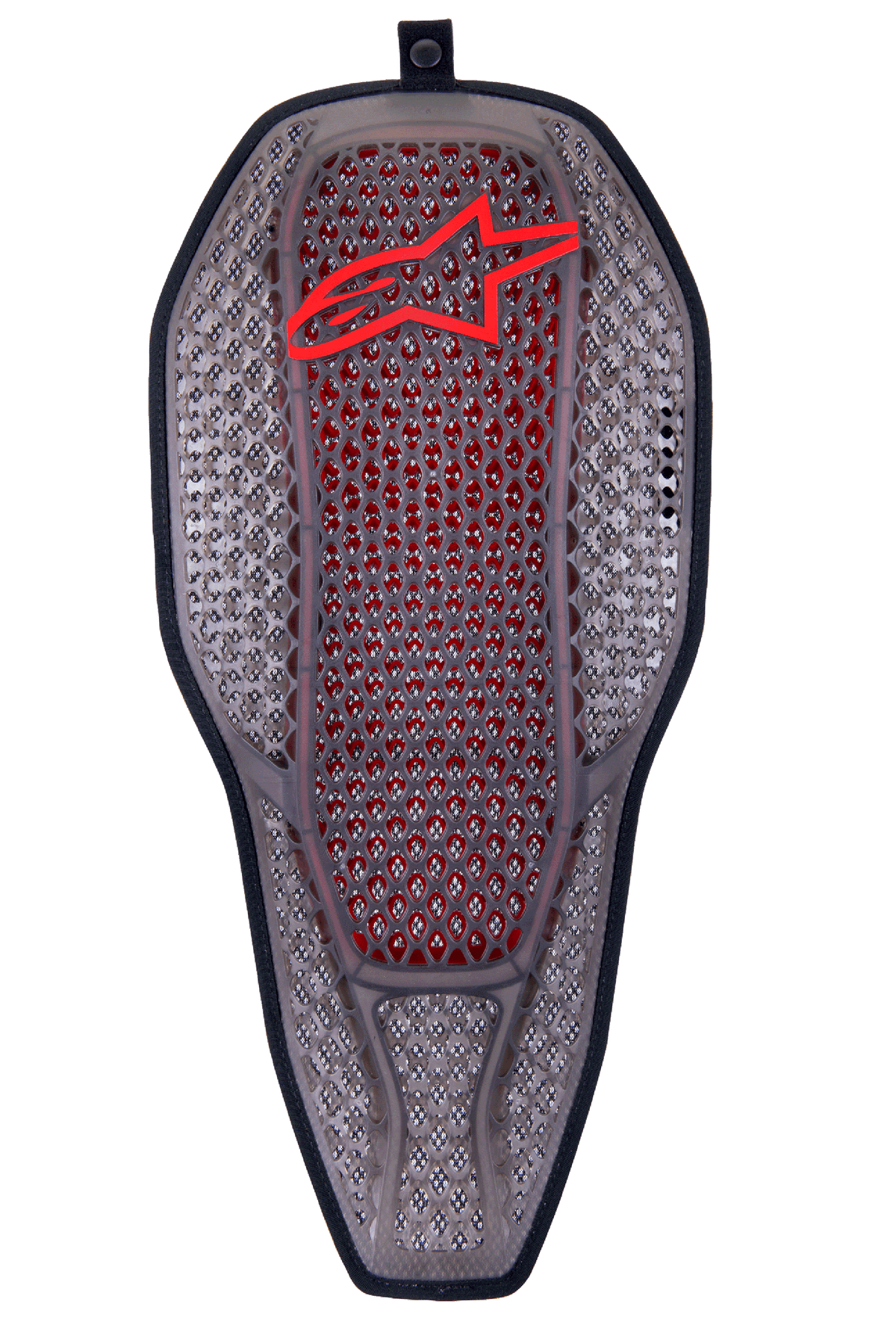
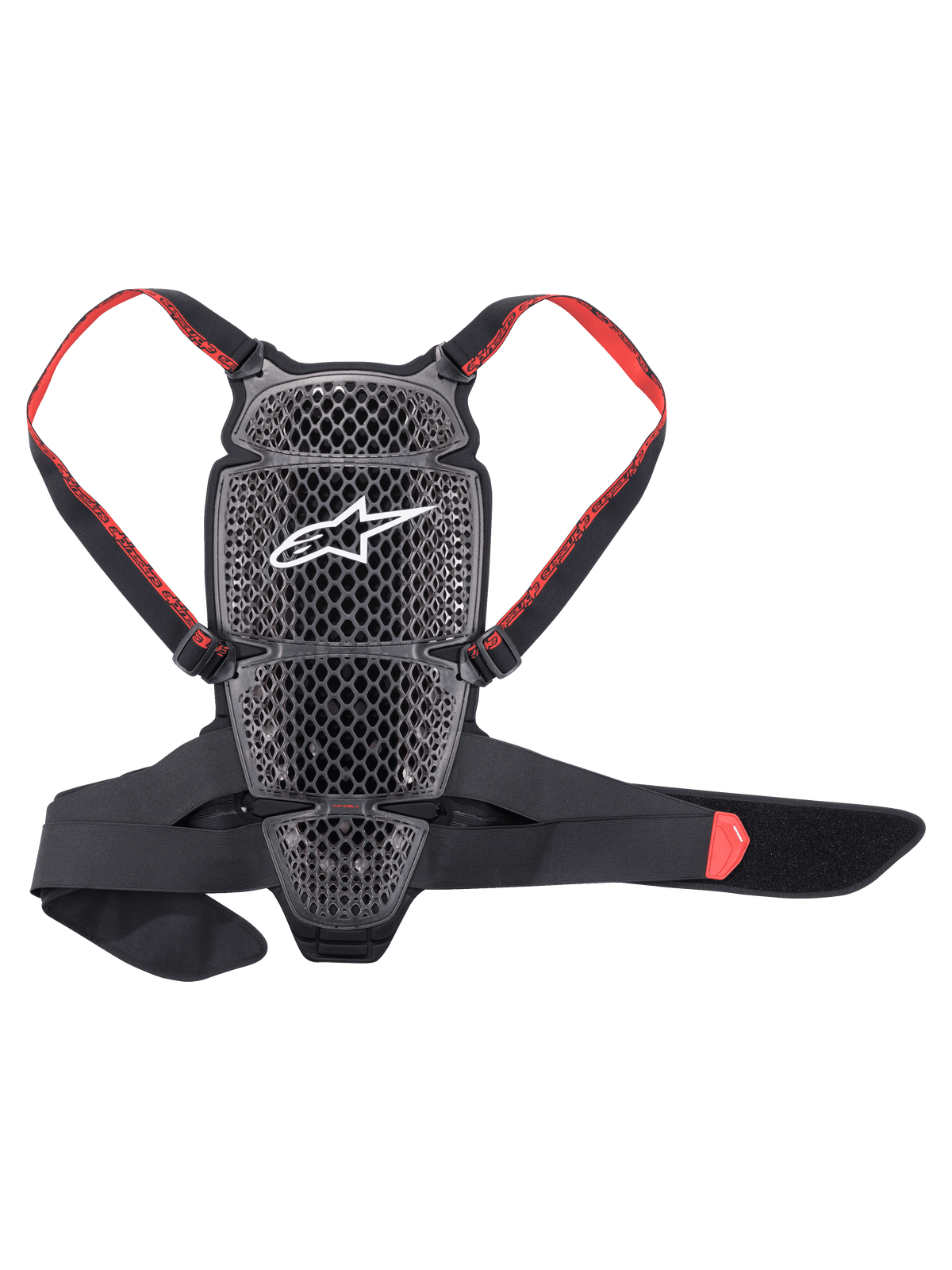
Nucleon KR-CELLi Back Protector Insert -
Tech-Air® 3 V2 Canvas System -
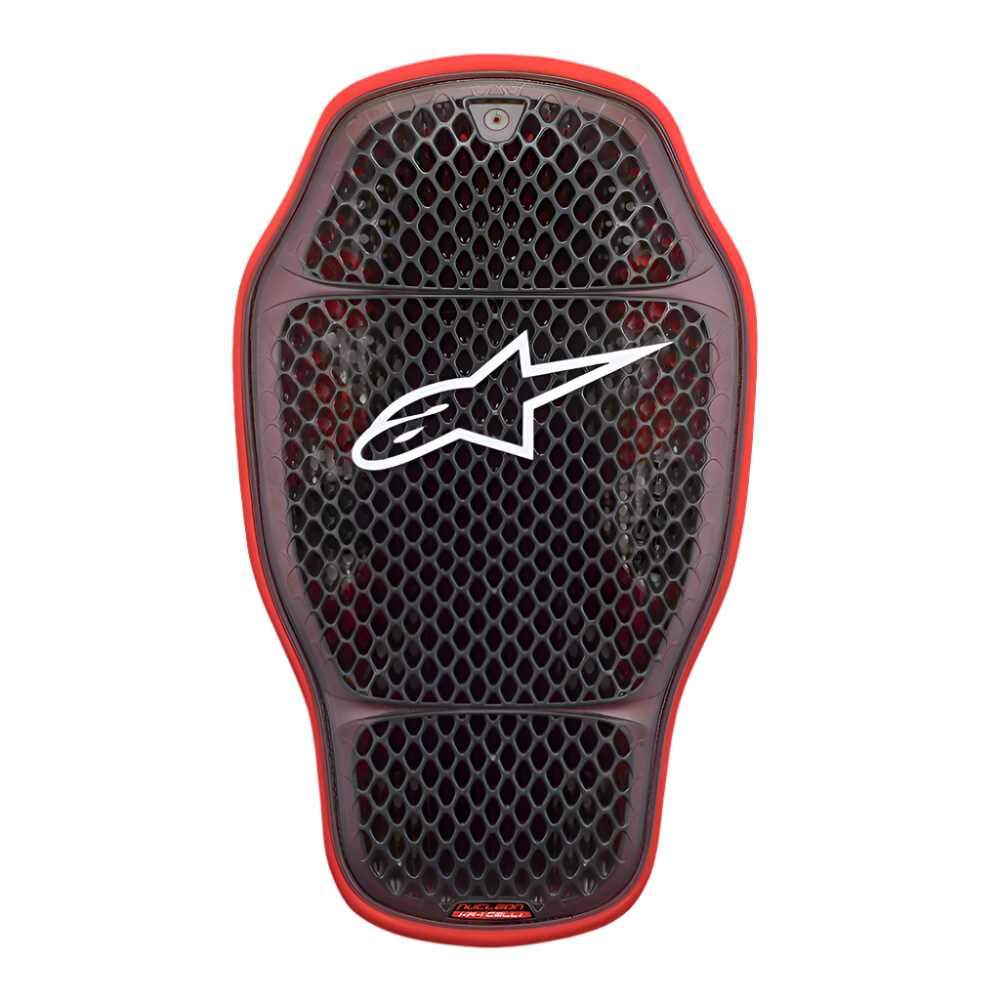
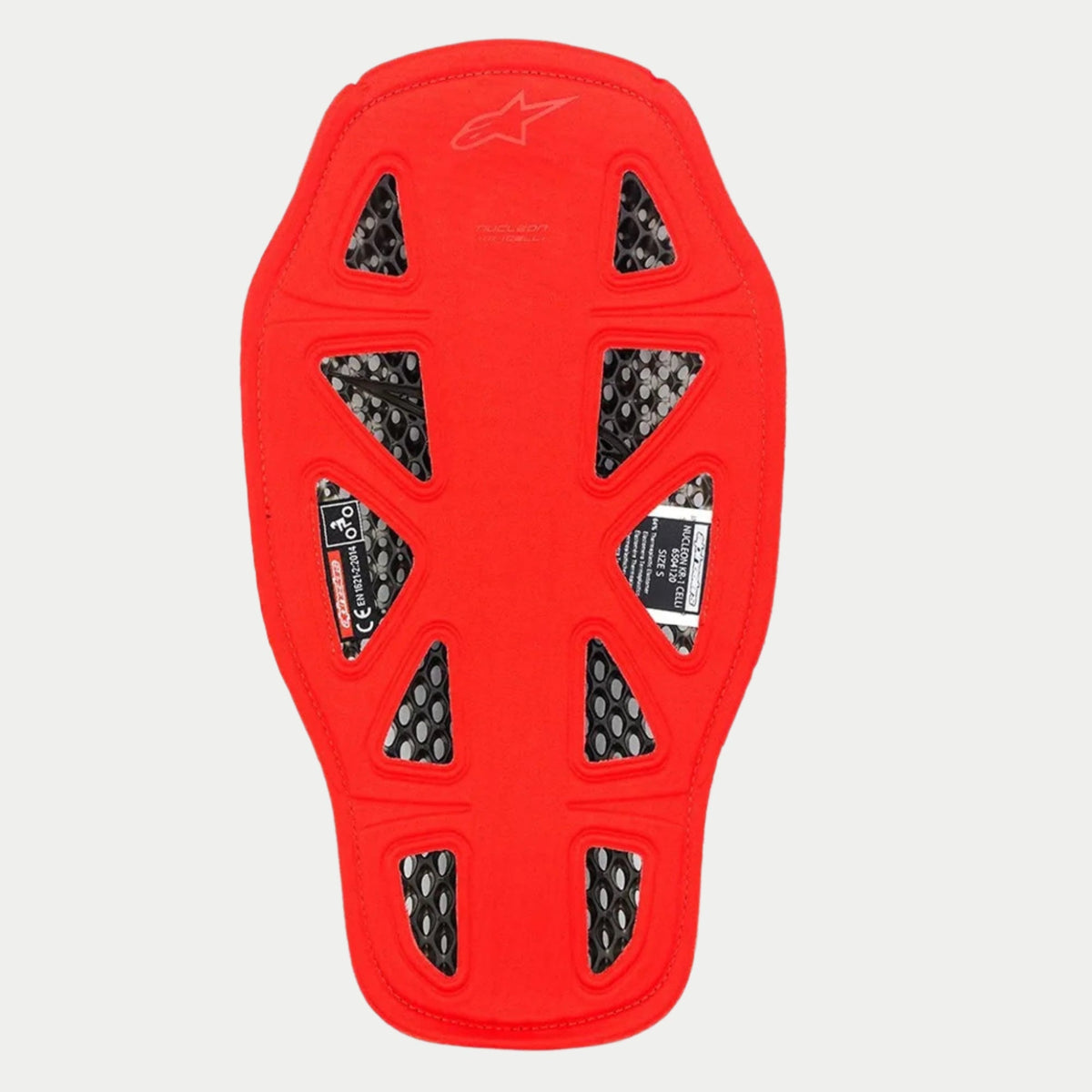
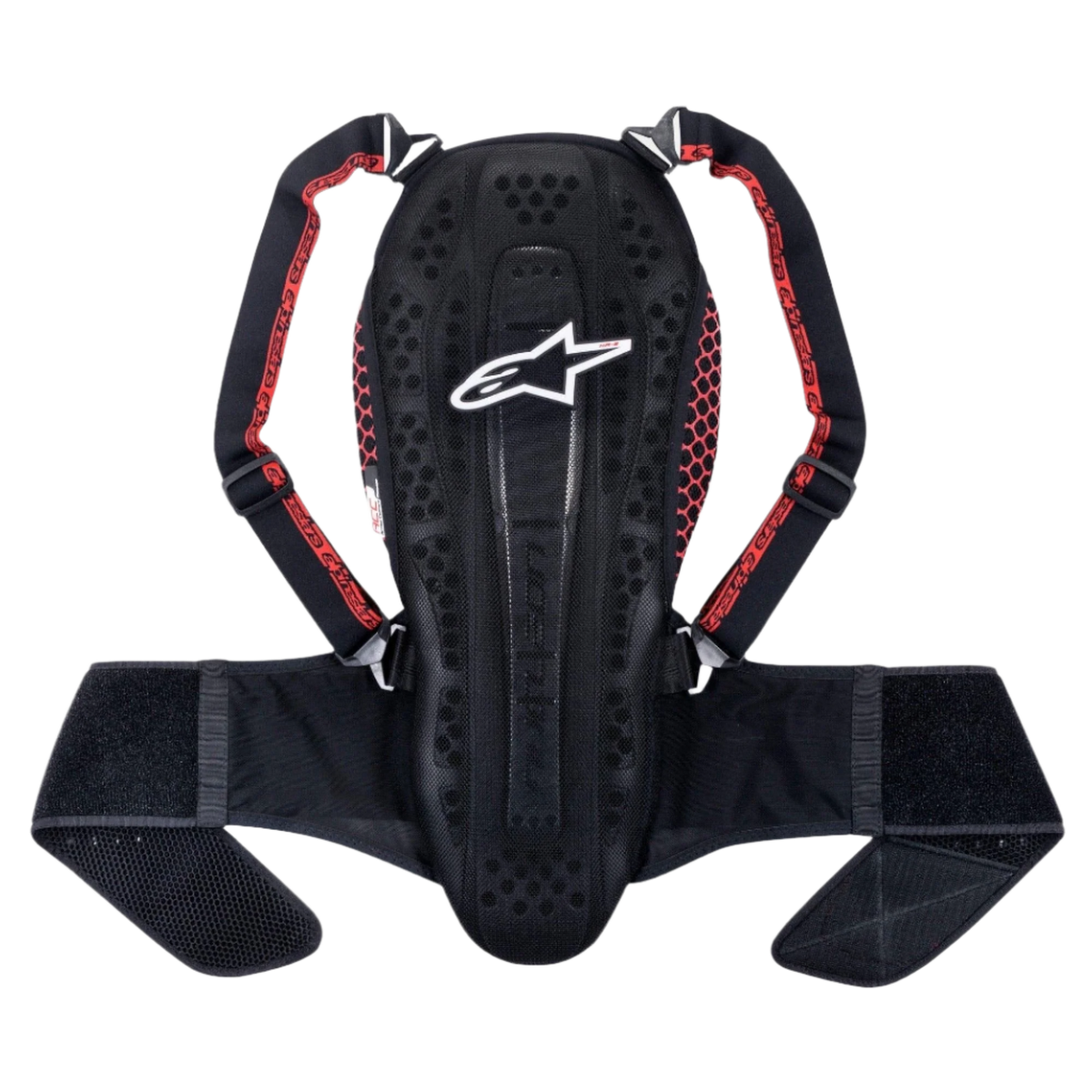
Nucleon KR-1 CELLi Back Protector -
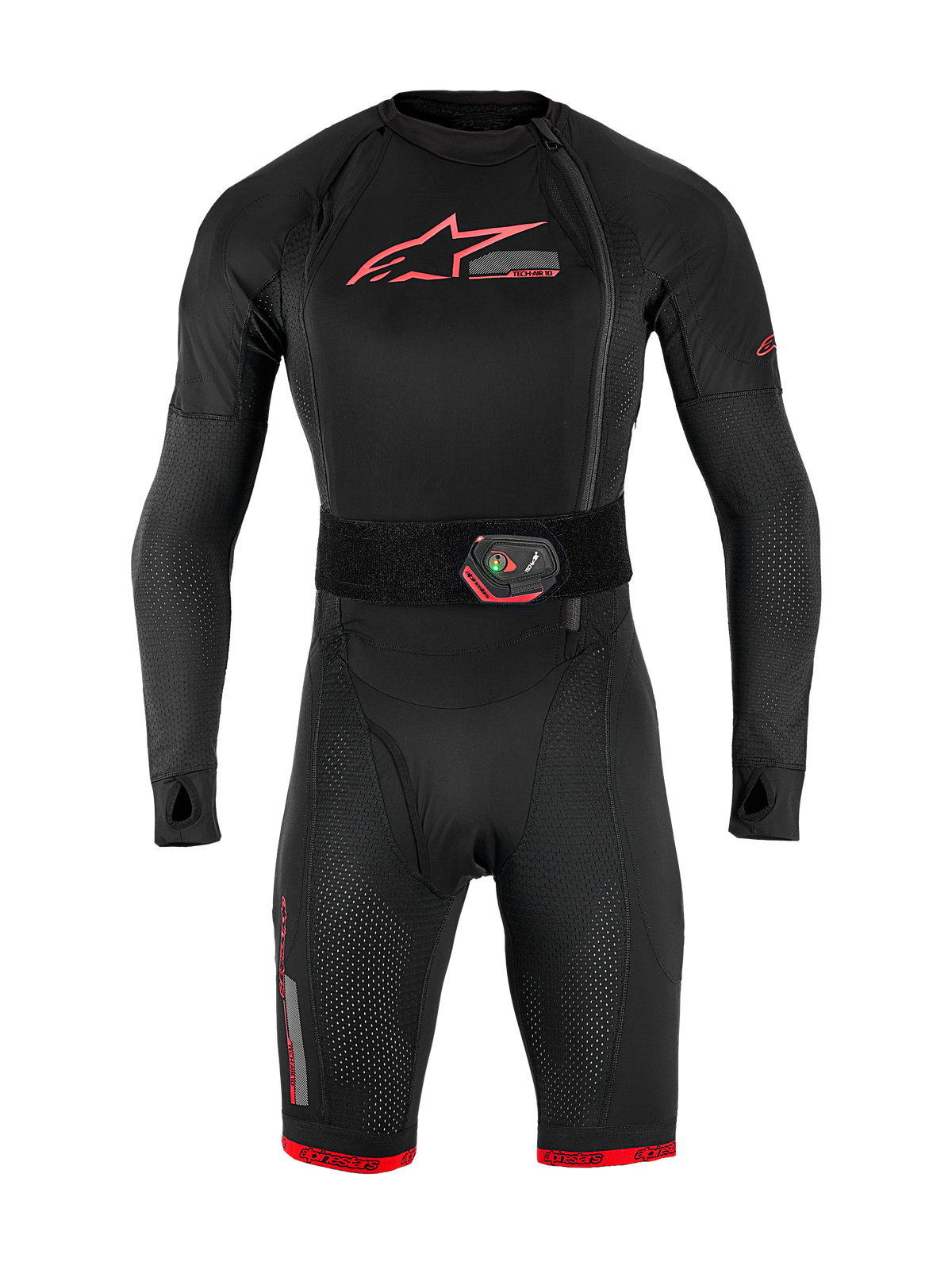
Tech-Air® 10 V2 Race Airbag System -
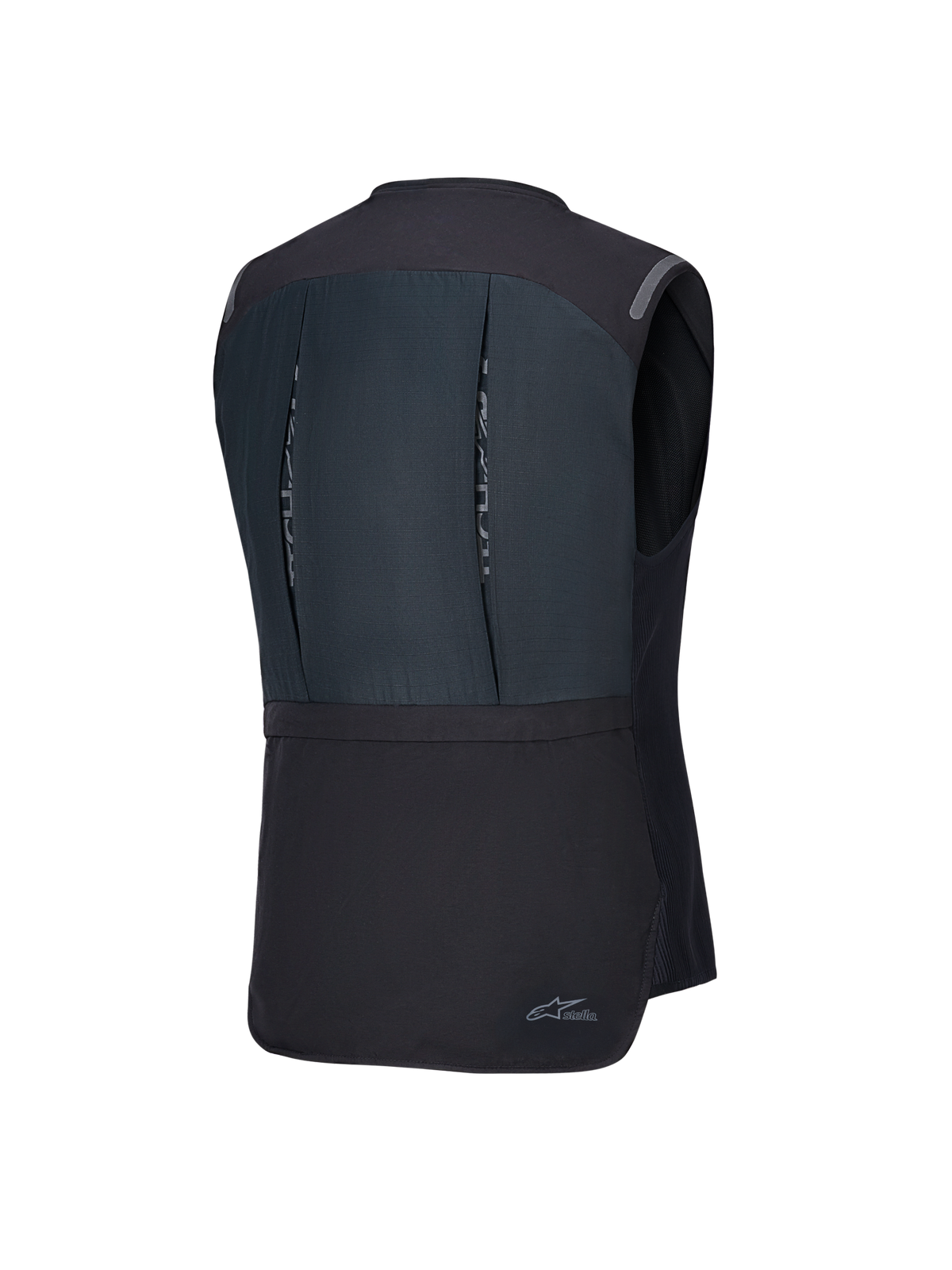
Stella Tech-Air® 3 V2 System -
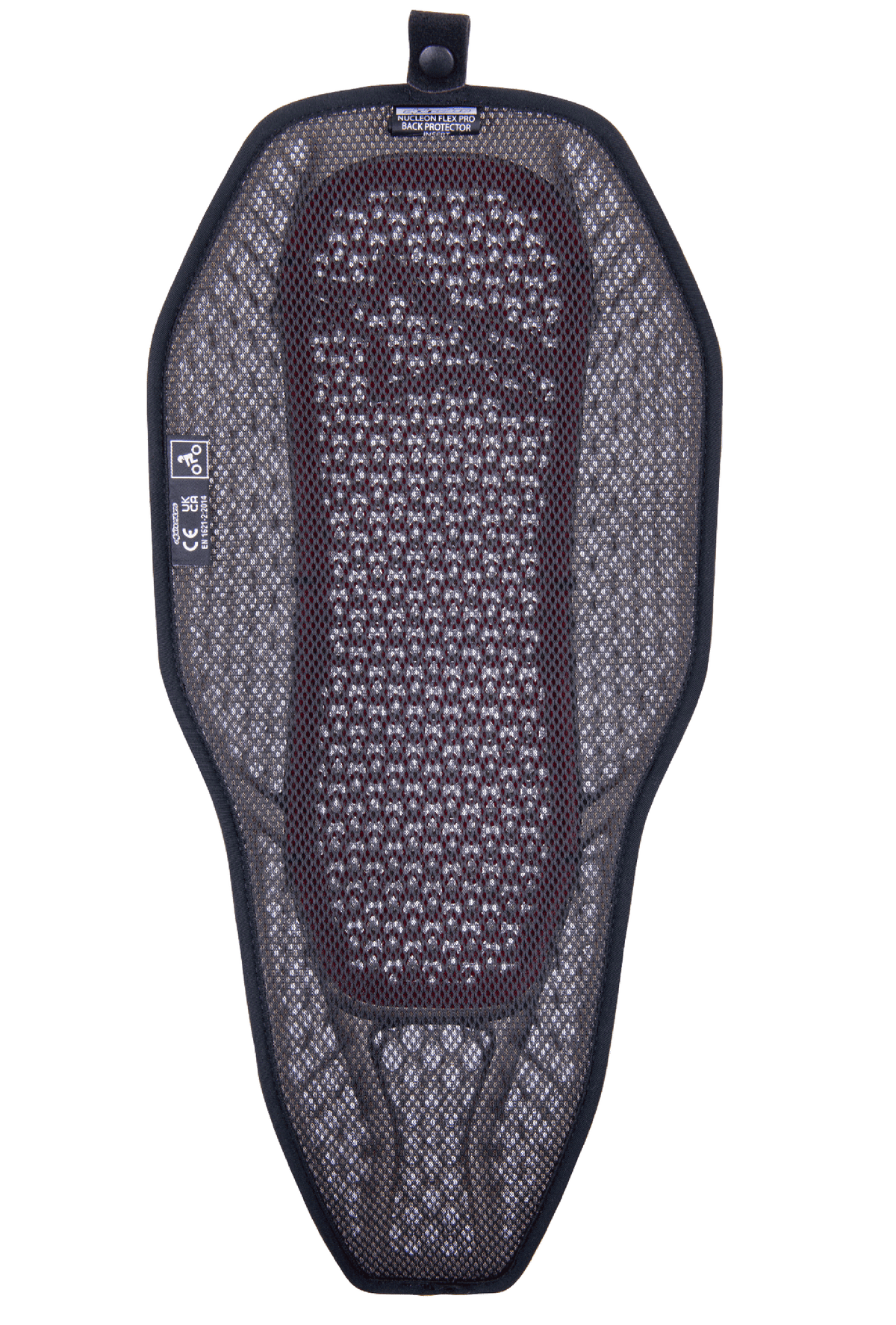
Nucleon Flex Pro Full Back Protector Insert -
GP Plus Knee Slider -
Nucleon Kr-3 Back Protector -
Nucleon Plasma Full Chest Protector Hook and Loop -
Tech-Air® 5 System -
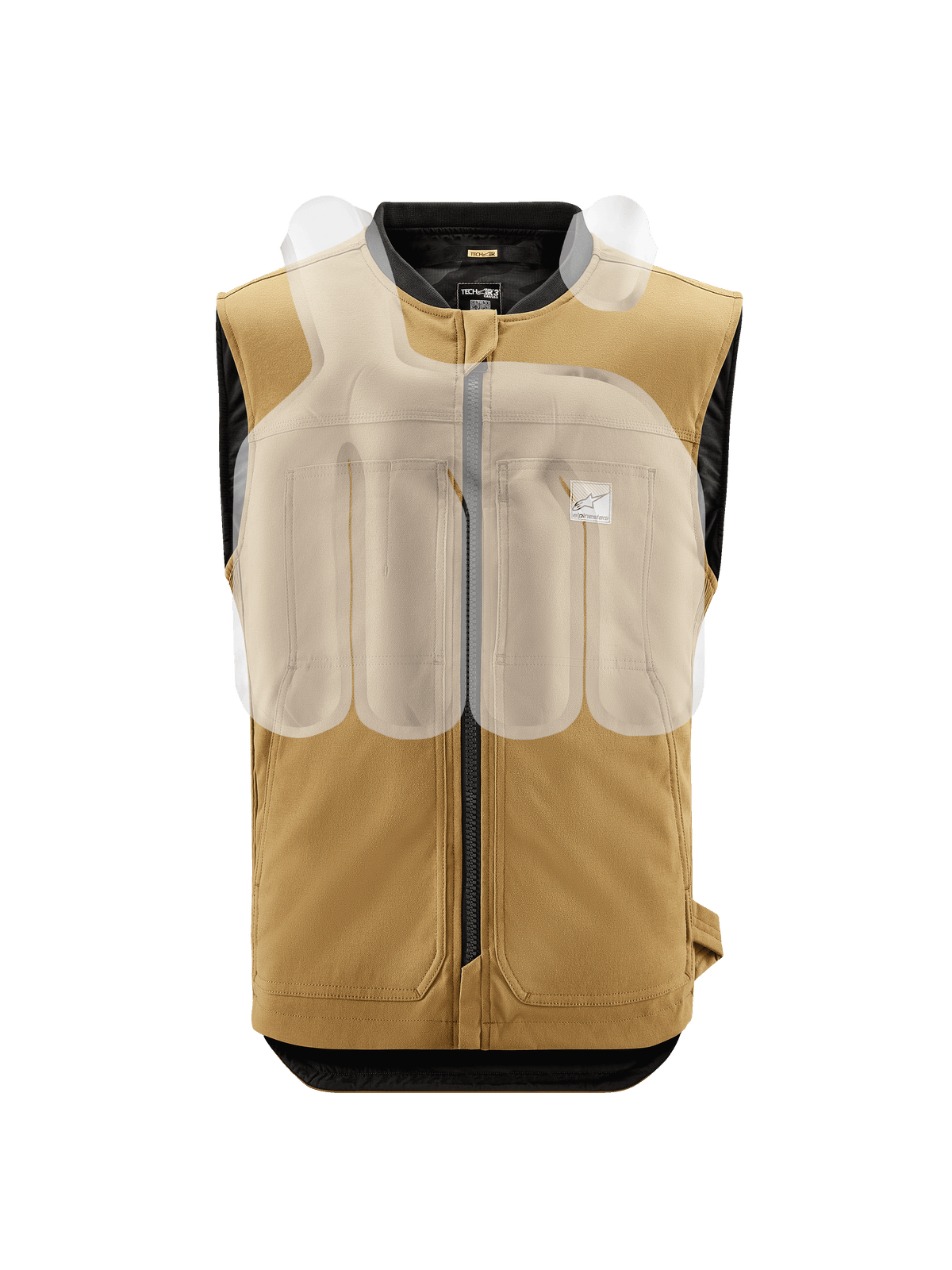
Tech-Air® 3 V2 Canvas System -
Tech-Air® 3 V2 Leather System -
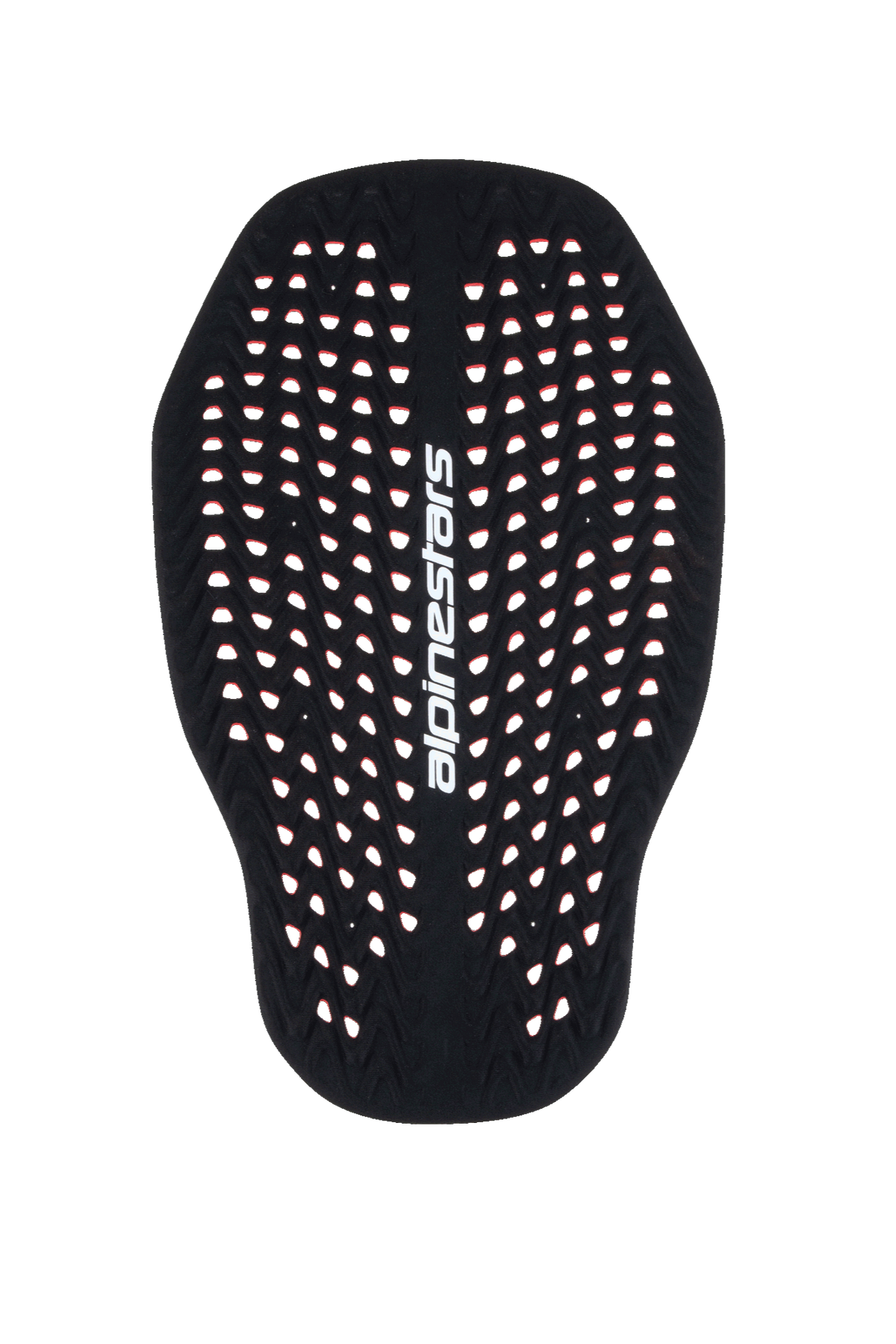
Nucleon Plasma Back Protector -
Nucleon KR-1 Cell Back Protector -
Nucleon Kr-Cell Protector -
Nucleon Kr-2 Back Protector -
Nucleon Kr-2 Back Protector -
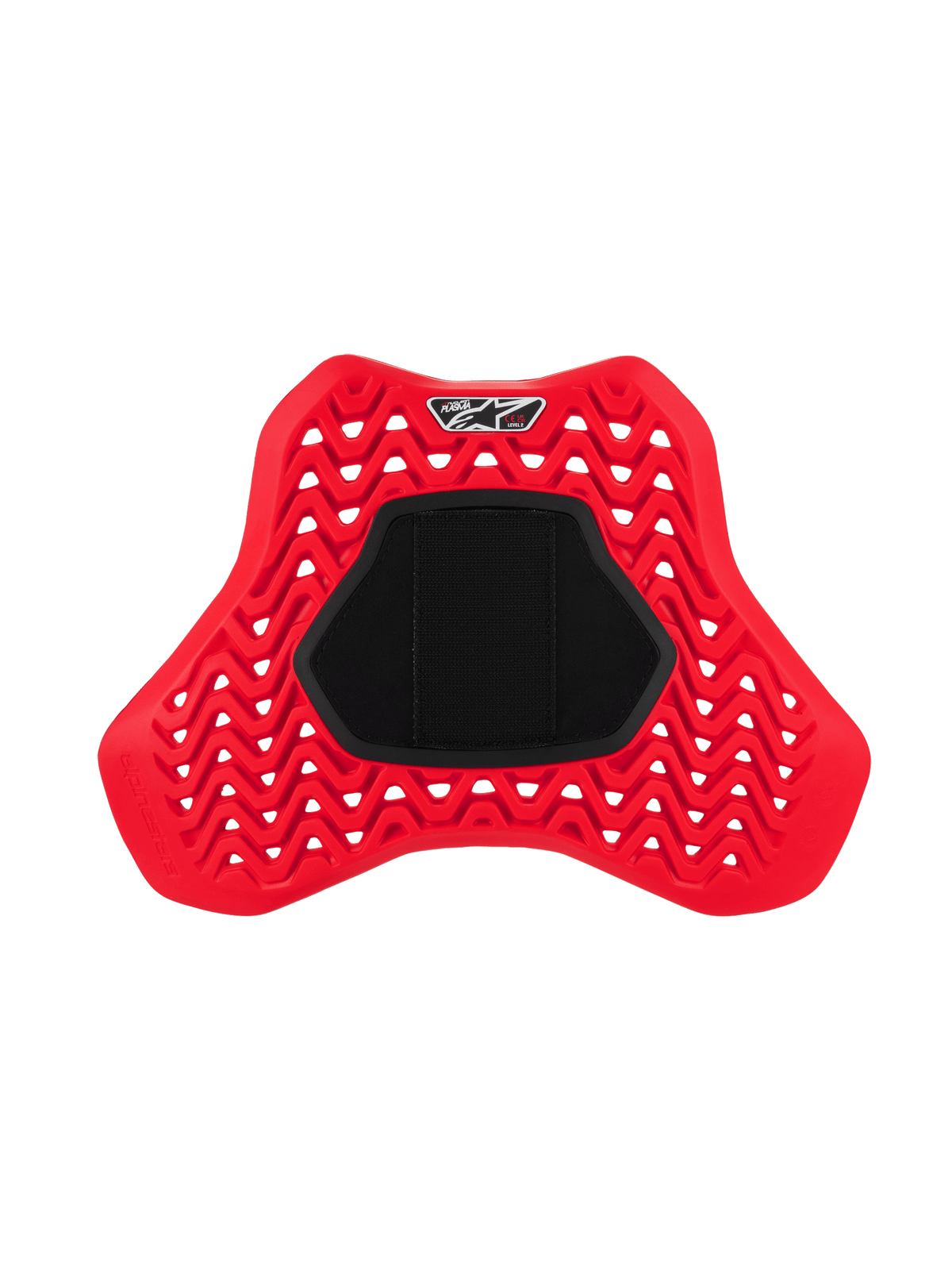
Nucleon Plasma Full Chest Protector Insert -
Tech-Air® 3 V2 System -
Nucleon Kr-C Chest Harness -
Bioflex Hip Protectors -
Nucleon Racing Kr-Hr Hip Protector -
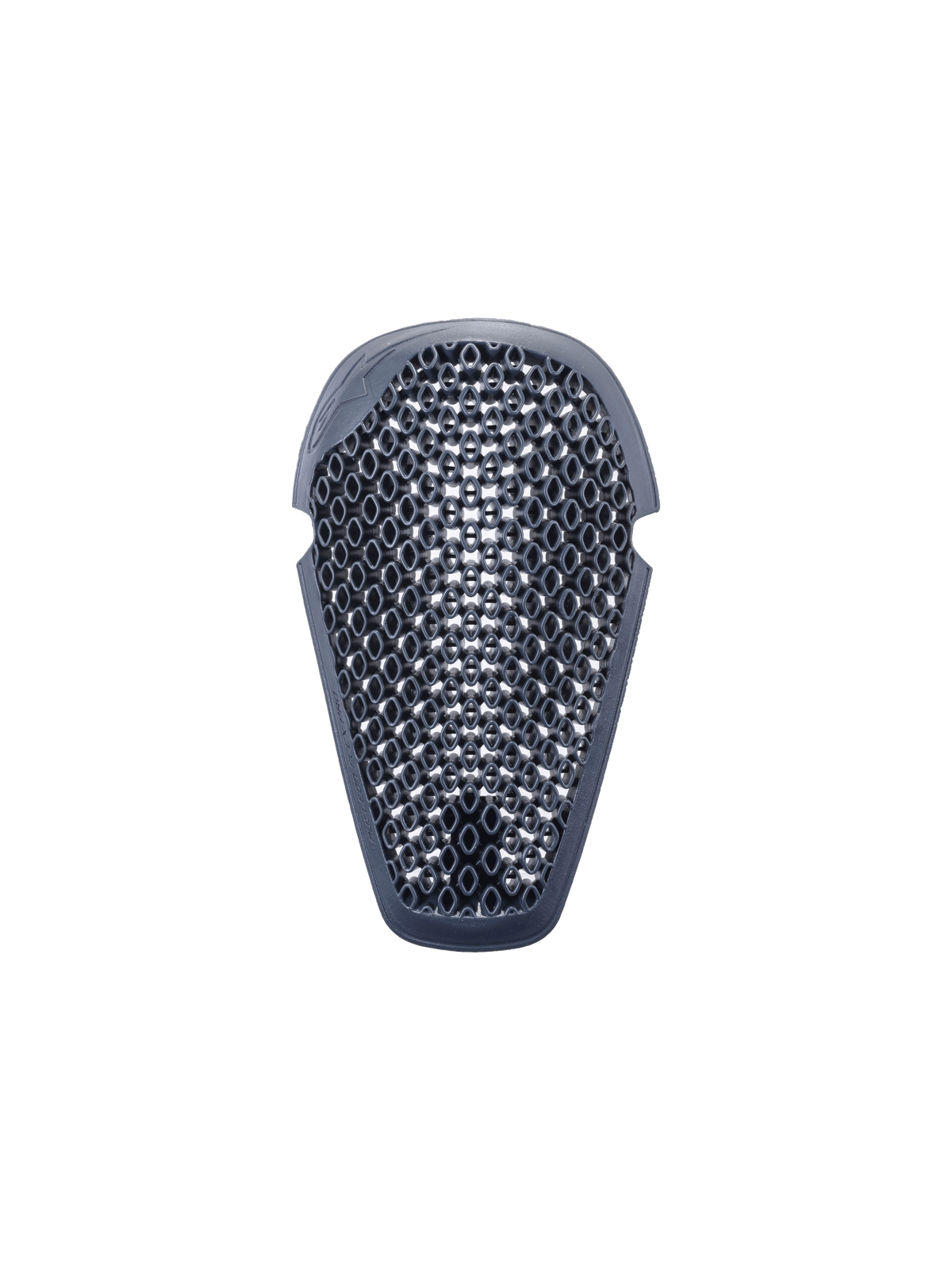
Nucleon Flex Pro Knee Protectors -
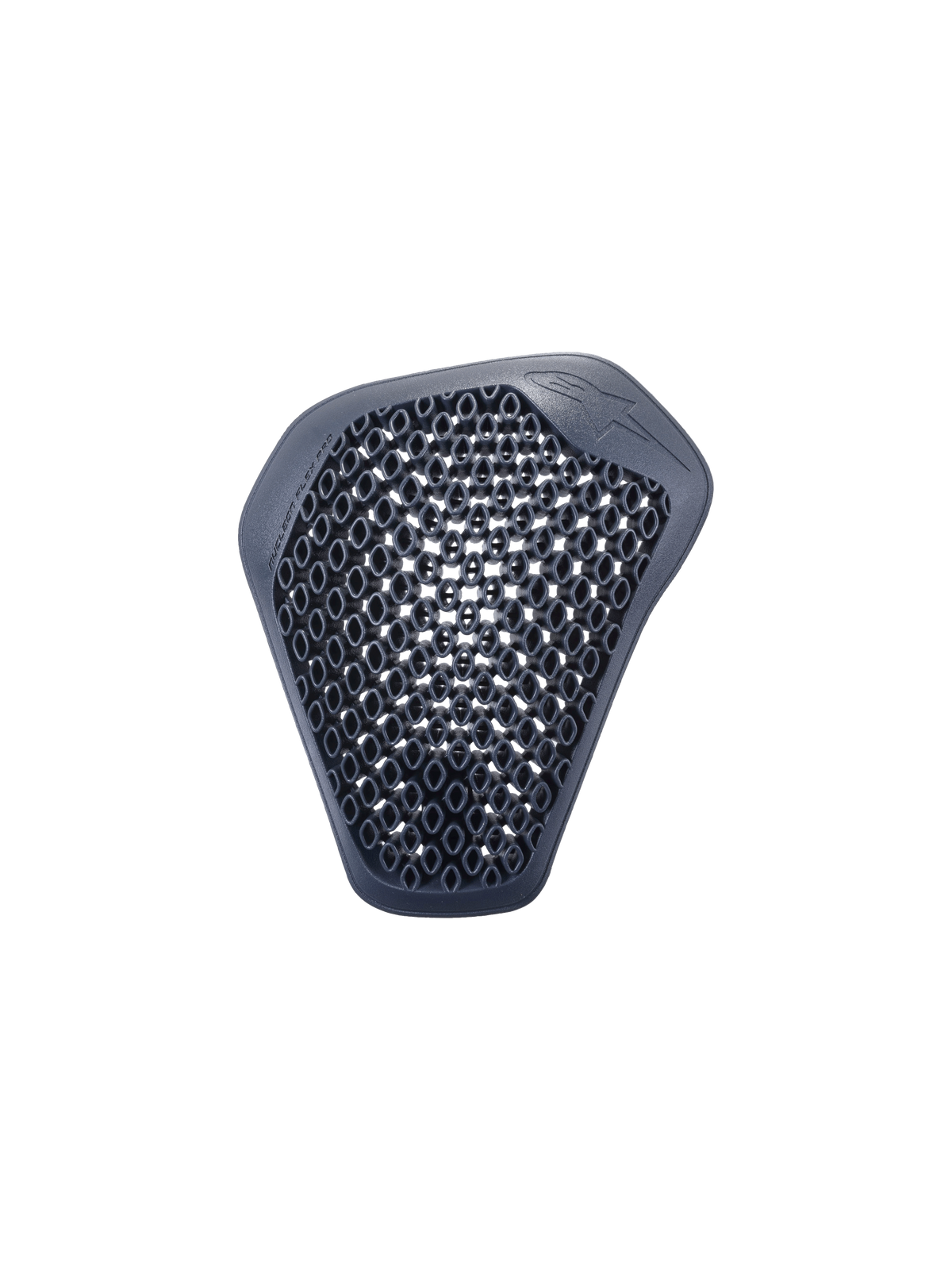
Nucleon Flex Pro Shoulder Protectors -
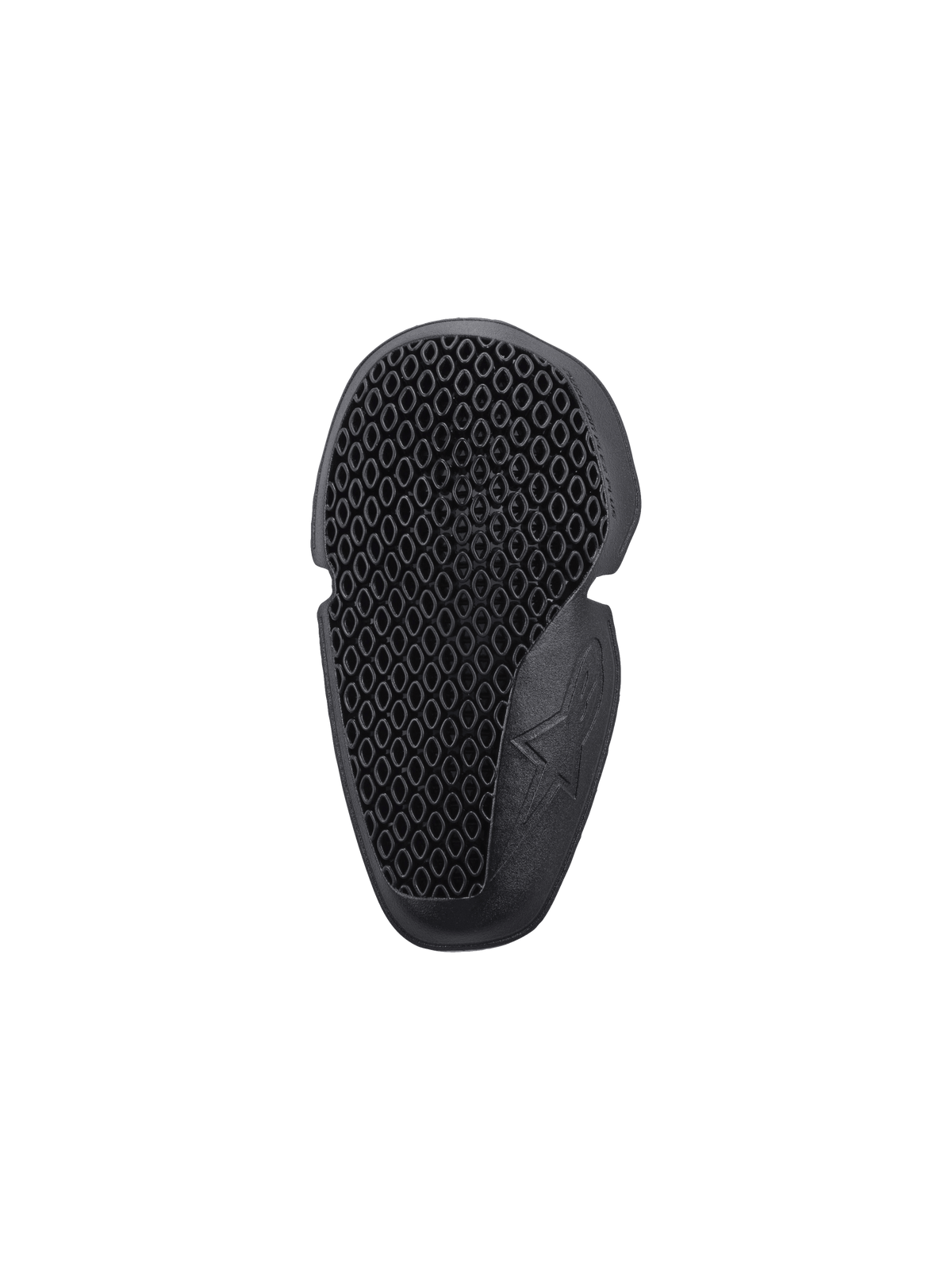
Nucleon Flex Plus Elbow Protectors -
Nucleon Flex Plus Knee Protectors -
Nucleon Flex Plus Shoulder Protectors -
Elbow Sliders -
Nucleon Kr-Tb Tailbone Protector -
Nucleon KR Cell Cir Protectors -
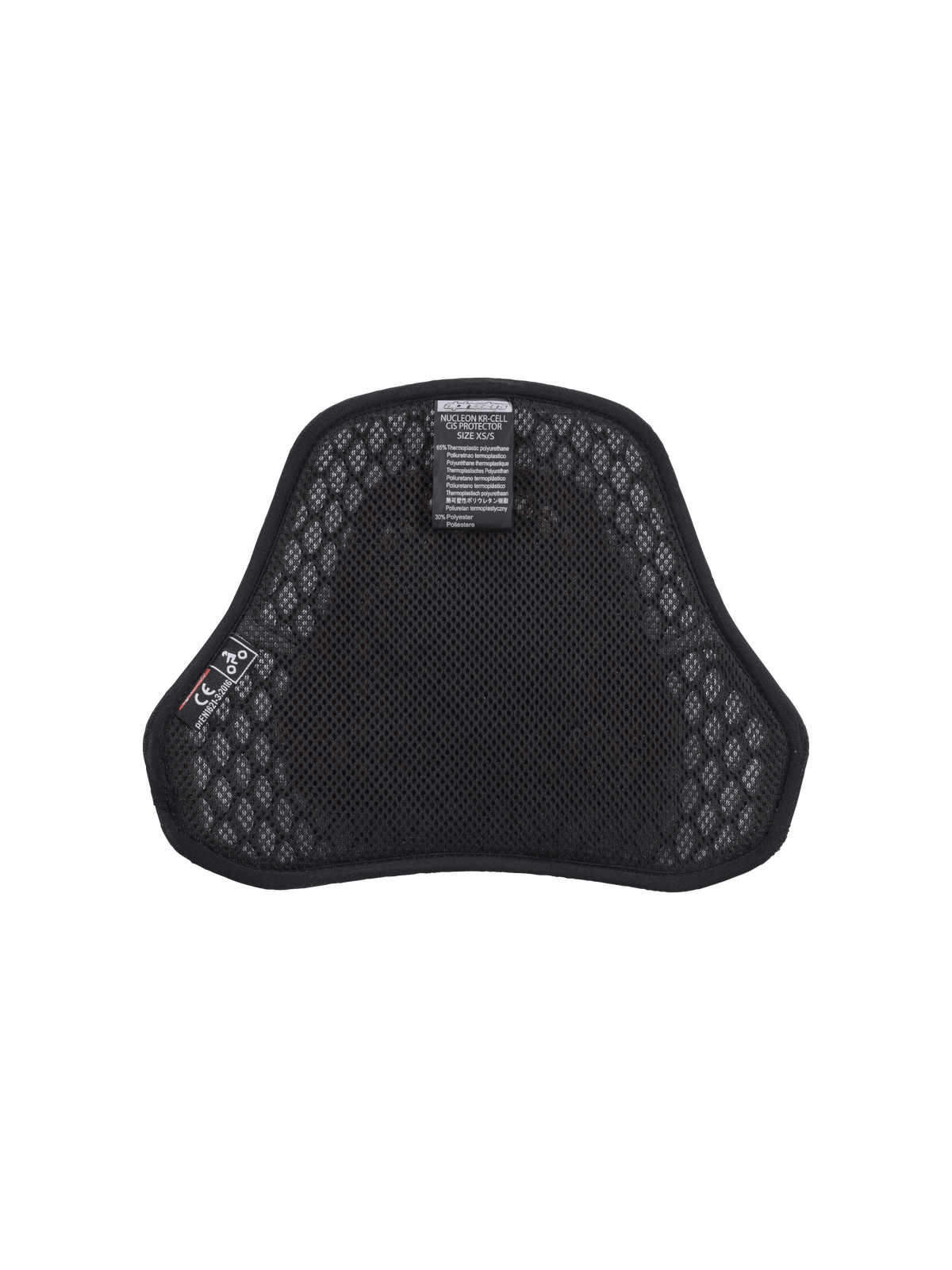
Nucleon Kr Cell Ci S



































Frequently asked questions Hide FAQs
What types of motorcycle protectors are included in this collection?
This collection features a comprehensive range of motorcycle protection gear including chest protectors, back protectors, elbow guards, knee guards, shoulder armor, and hip protectors. Each piece is designed to meet or exceed CE safety standards and can be worn standalone or integrated into compatible Alpinestars riding gear. The collection covers protection solutions for street, sport, adventure, and off-road riding disciplines.
Are these protectors CE-certified and what safety standards do they meet?
Alpinestars motorcycle protectors in this collection meet rigorous CE certification standards, including CE Level 1 and CE Level 2 ratings depending on the specific protector type. Many feature advanced materials like viscoelastic foam and composite armor that provide superior impact absorption while maintaining flexibility and comfort. All protectors are tested to European safety standards EN 1621 for motorcyclist protective equipment, ensuring race-proven protection for street and track use.
Can I use these protectors with my existing motorcycle jacket or pants?
Most protectors in this collection are designed with versatility in mind. Standalone chest protectors, back protectors, and limb guards can be worn over or under compatible riding gear from any manufacturer. However, for optimal fit and protection, Alpinestars protectors are engineered to integrate seamlessly with Alpinestars jackets, pants, and suits that feature dedicated armor pockets and retention systems. Check your garment's specifications for compatible armor sizing and mounting points before purchasing.
How do I choose the right size motorcycle protector?
Motorcycle protector sizing varies by type and body area. Chest and back protectors typically follow standard clothing sizes (S-3XL) based on torso measurements, while limb protectors like knee and elbow guards use circumference measurements at specific points. For accurate sizing, measure your chest, waist, and relevant limb circumferences according to the Alpinestars size chart for each protector type. Proper fit is critical—protectors should sit snugly without restricting movement or circulation, and remain securely positioned during riding.
What's the difference between soft armor and hard shell protectors?
The choice between soft armor and hard shell protectors depends on your riding style and comfort preferences:
| Feature | Soft Armor | Hard Shell |
|---|---|---|
| Protection Type | Viscoelastic foam, flexible | Rigid composite shells |
| Best For | Street, touring, everyday riding | Track, MX, aggressive riding |
| Comfort | More flexible, less intrusive | Maximum coverage, bulkier |
| Ventilation | Better airflow | Structured ventilation channels |
Both types meet CE safety standards, with the choice coming down to impact distribution preferences and riding conditions.