
7 results











Frequently asked questions Hide FAQs
What are open face MTB helmets best for?
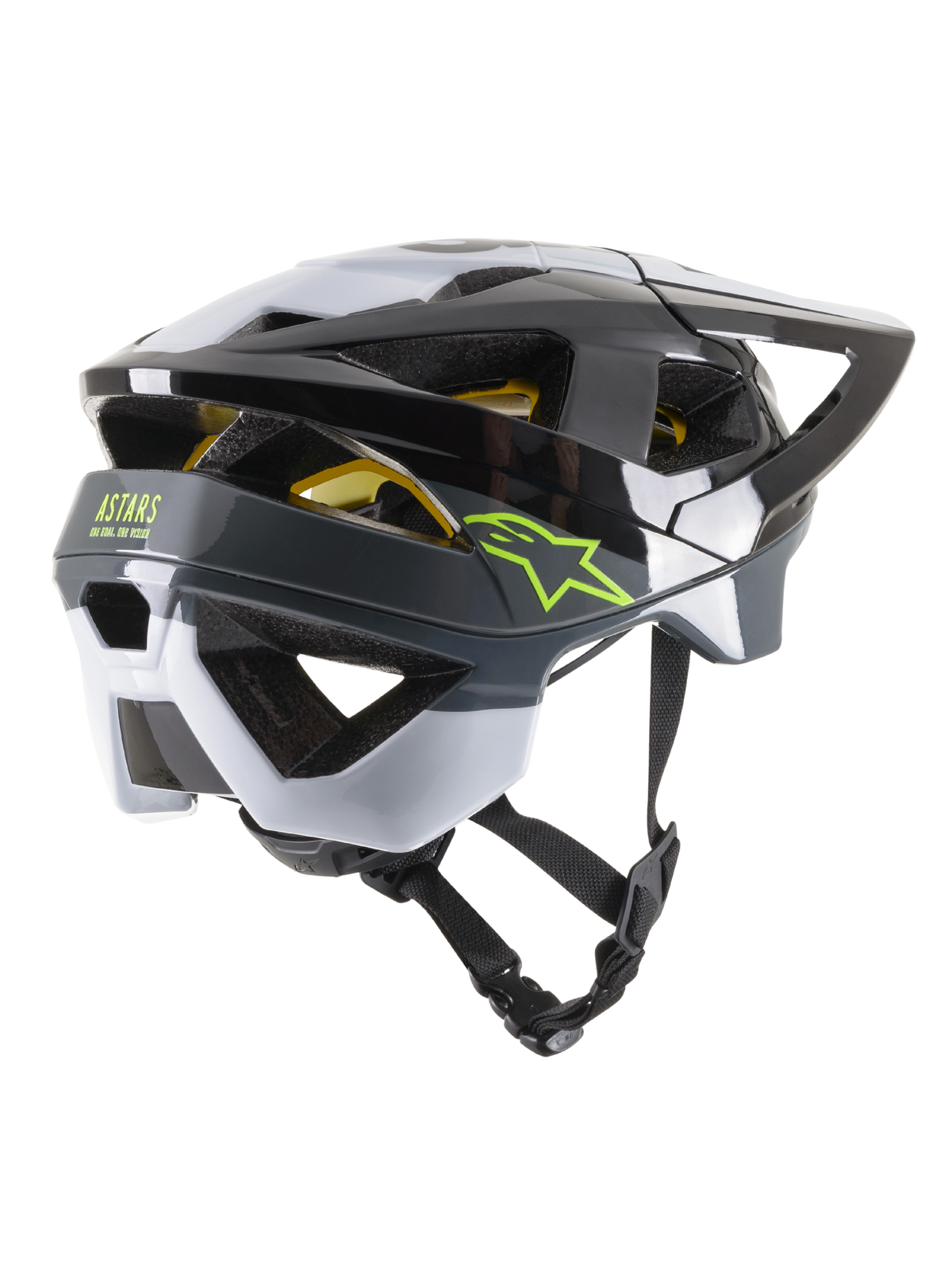
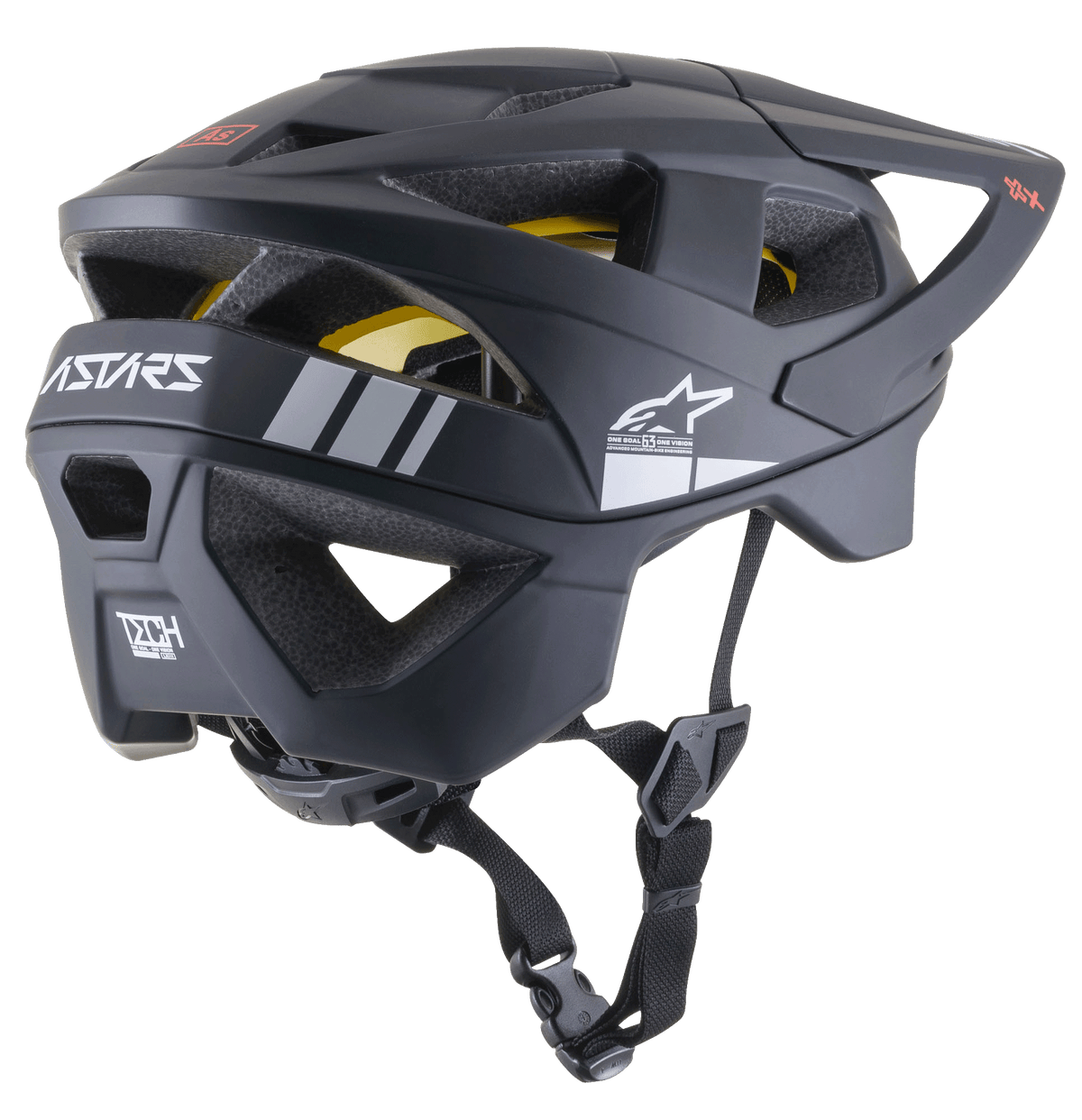
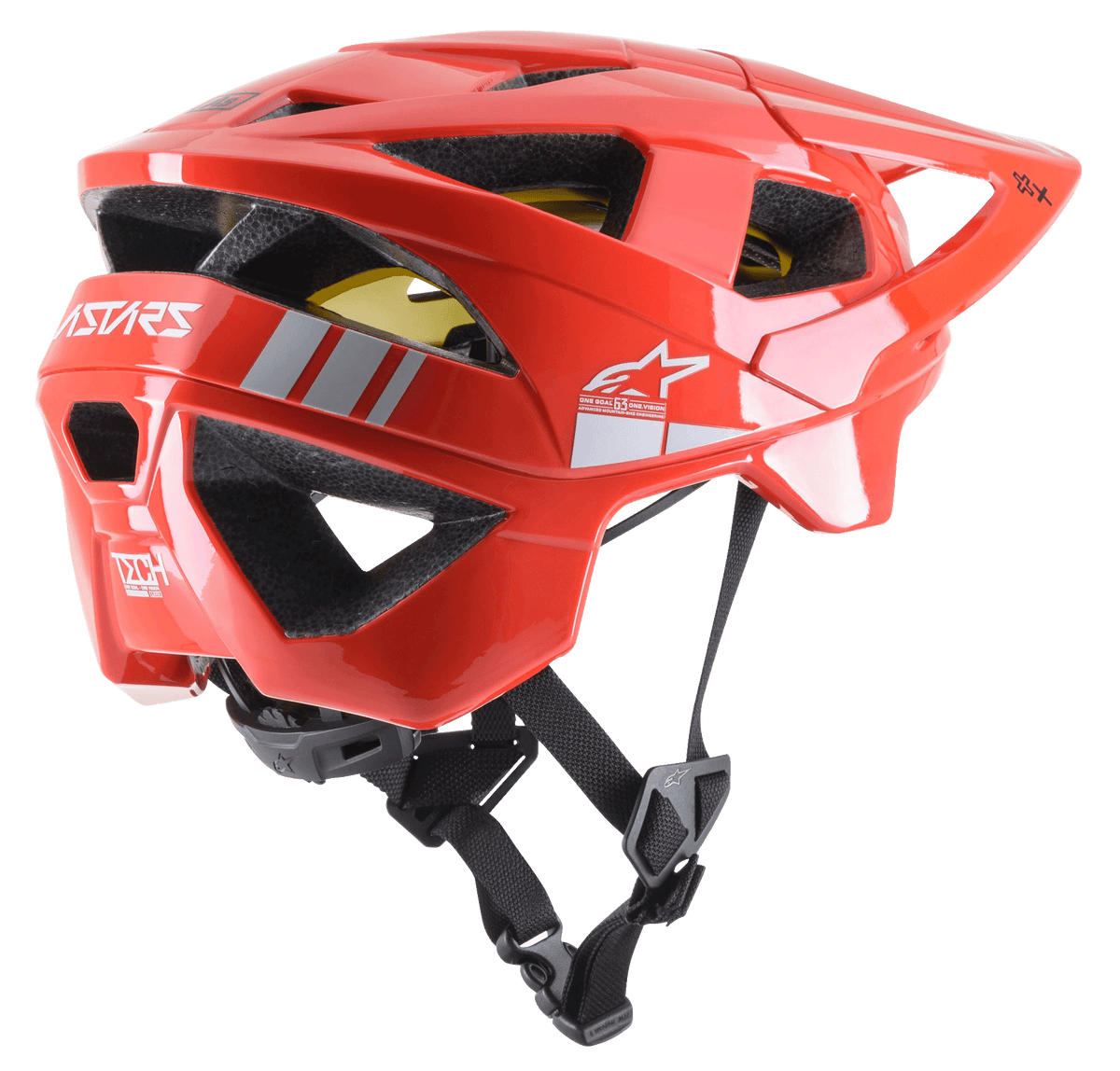
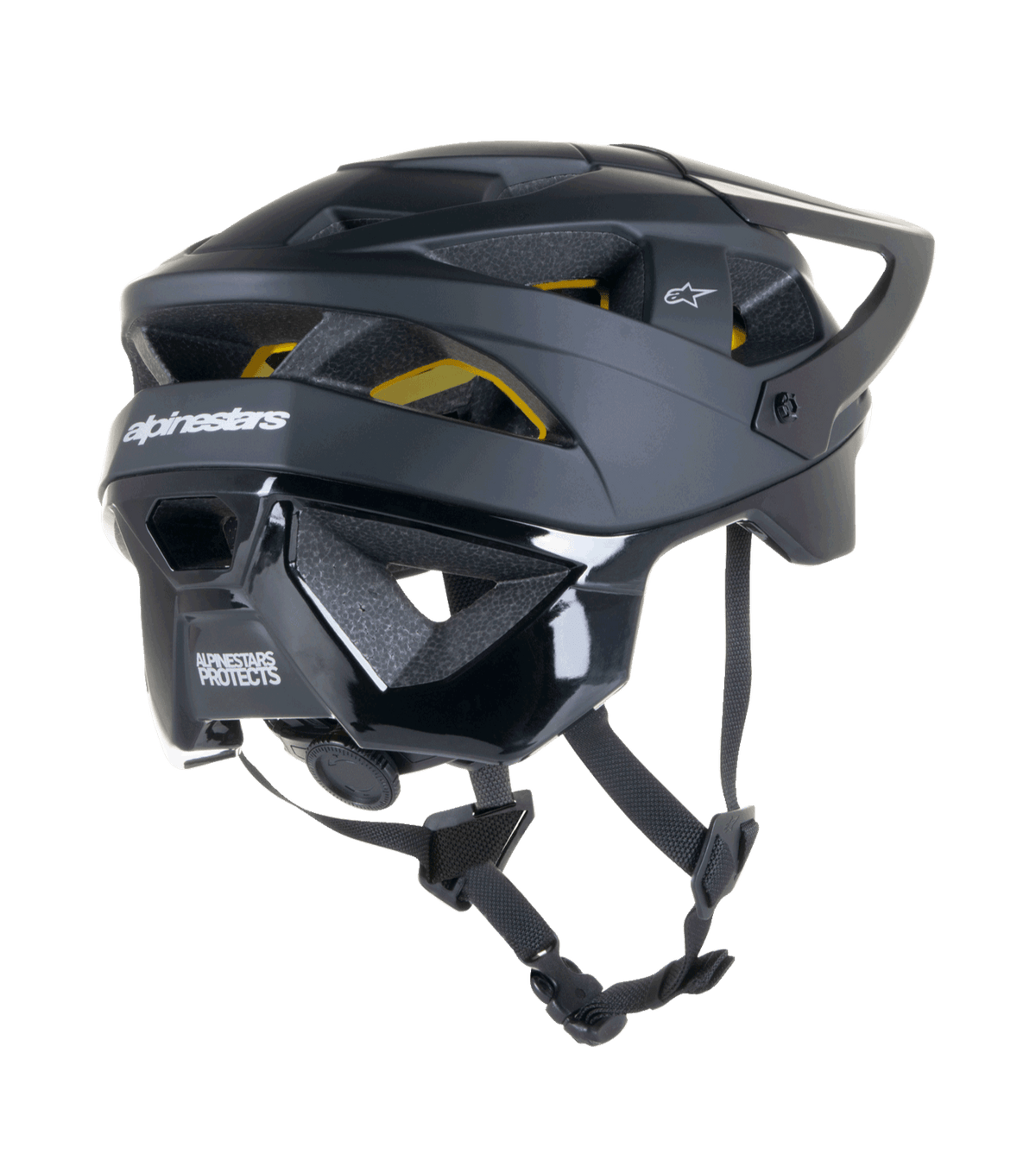
Open face MTB helmets are designed for trail, all-mountain, and many enduro rides where riders want a balance of protection, ventilation, lower weight, and all-day comfort. Compared with full-face helmets, they leave the chin and lower face uncovered, which improves airflow and makes them well suited to long climbs, varied terrain, and everyday mountain bike use.
Within this collection, the focus is on open-face coverage for riders who prioritize breathability and freedom of movement while still needing secure fit, extended head coverage, and trail-specific features such as adjustable visors and eyewear compatibility.
How should an open face MTB helmet fit?
An open face MTB helmet should sit level on the head, low enough to protect the forehead without obstructing vision, and feel snug all around without pressure points. The retention system should hold the helmet securely so it does not rock forward, backward, or side to side when adjusted correctly.
Measure your head circumference and match it to the size chart for the helmet. For this type of MTB helmet, a correct fit usually means a secure wrap around the temples and occipital area, with the chin strap comfortably fastened and the adjustment dial used to fine-tune stability on rough terrain.
Are open face MTB helmets safe, and what certifications should I look for?
Yes, open face MTB helmets are built for mountain bike use, but the right level of protection depends on the riding discipline. For trail and all-mountain riding, look for a helmet that is certified to the relevant bicycle helmet standards for your market, such as CPSC in the United States or EN 1078 in Europe.
Some helmets in this category also include Mips technology. Mips is an integrated low-friction layer designed to help reduce rotational motion in certain angled impacts. It is an added safety feature, but it does not replace the need for correct fit, proper adjustment, and the right helmet type for your riding style.
What is the difference between an open face and a full face MTB helmet?
The main difference is coverage. Open-face MTB helmets prioritize ventilation, lighter weight, and versatility for trail and all-mountain riding, while full-face helmets add chin and jaw protection for more aggressive enduro stages, downhill riding, and bike park use.
| Helmet type | Coverage | Best use |
|---|---|---|
| Open face MTB helmet | Head, temple, and rear coverage without chin bar | Trail, all-mountain, everyday MTB riding |
| Full face MTB helmet | Extended head coverage plus chin and lower-face protection | Downhill, gravity riding, more aggressive terrain |
If you want to compare both formats in one place, browse the wider MTB helmets collection.
Can I wear goggles or glasses with an open face MTB helmet, and how should I care for it?
Many open face MTB helmets are designed to accommodate eyewear, and trail-focused models often include an adjustable visor that helps with goggle positioning and sun management. The best setup is one that allows stable helmet fit without pushing the helmet upward or creating pressure around the temples.
For care, wipe the shell with a soft cloth, clean the liner according to the care instructions, and let the helmet air dry away from direct heat. Replace the helmet after a significant crash or if you see cracked foam, shell damage, or compromised retention components, since impact performance depends on the helmet remaining structurally sound.