
17 results
-
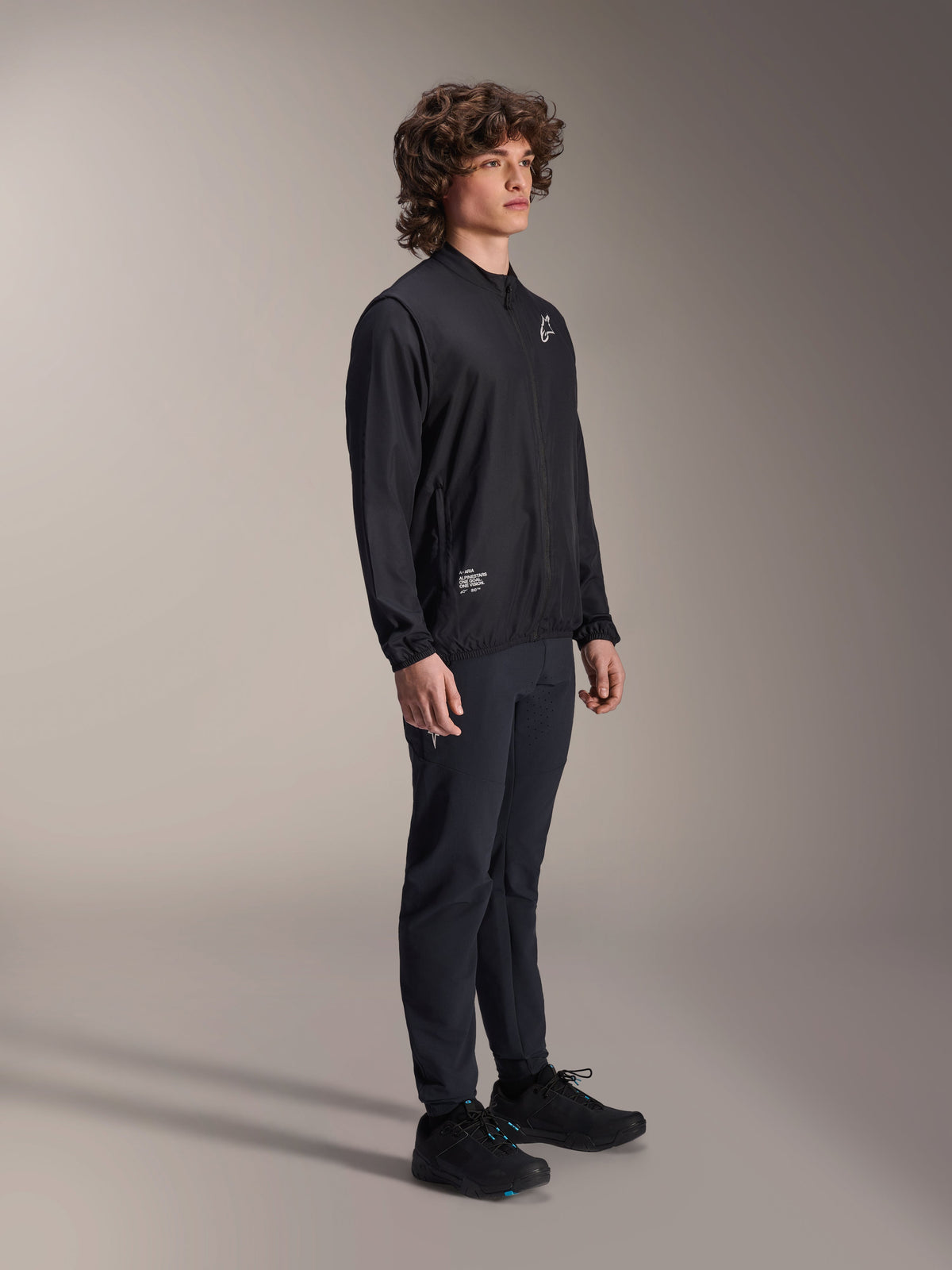
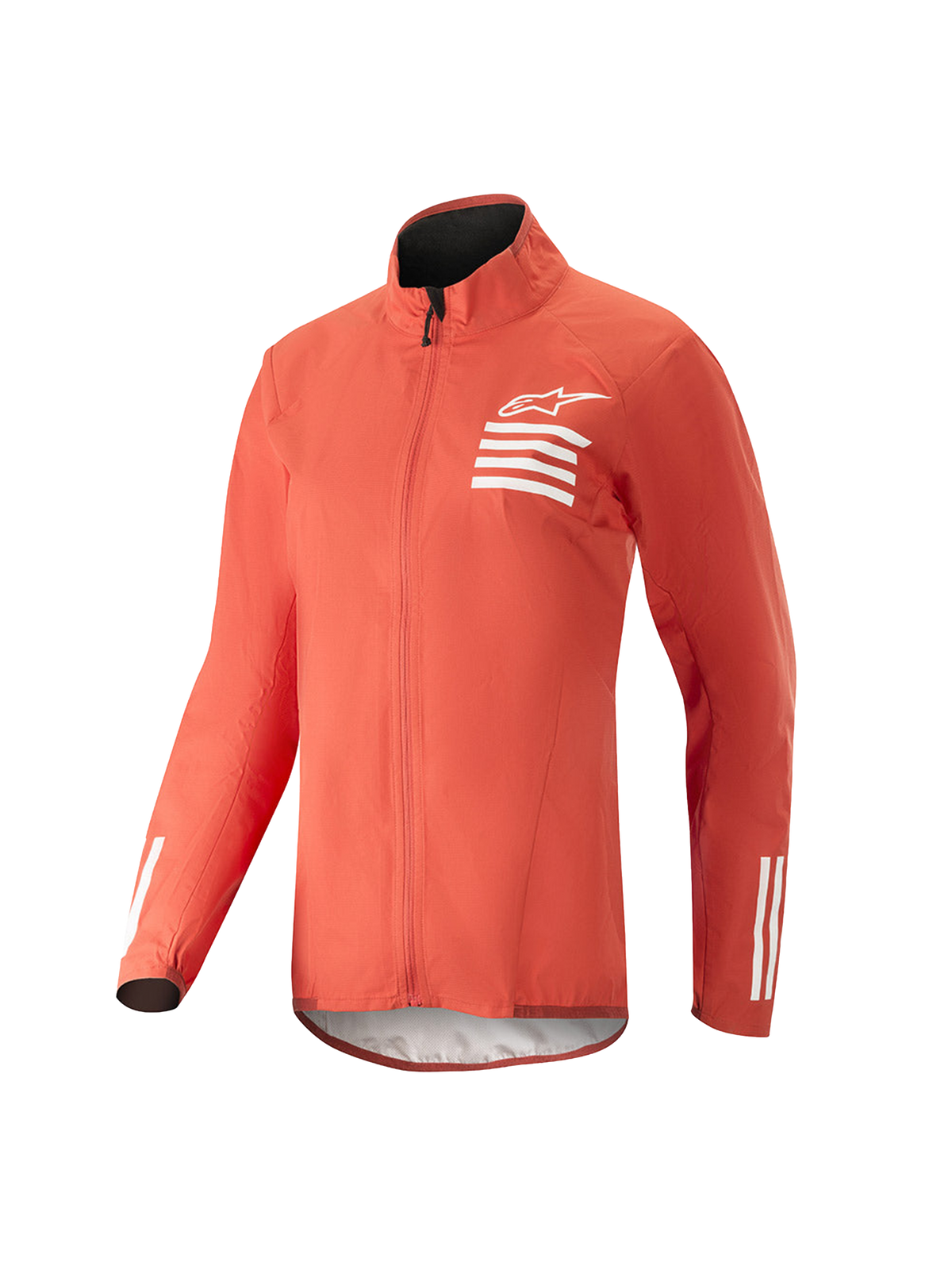
A-Aria Windbreaker Jacket -
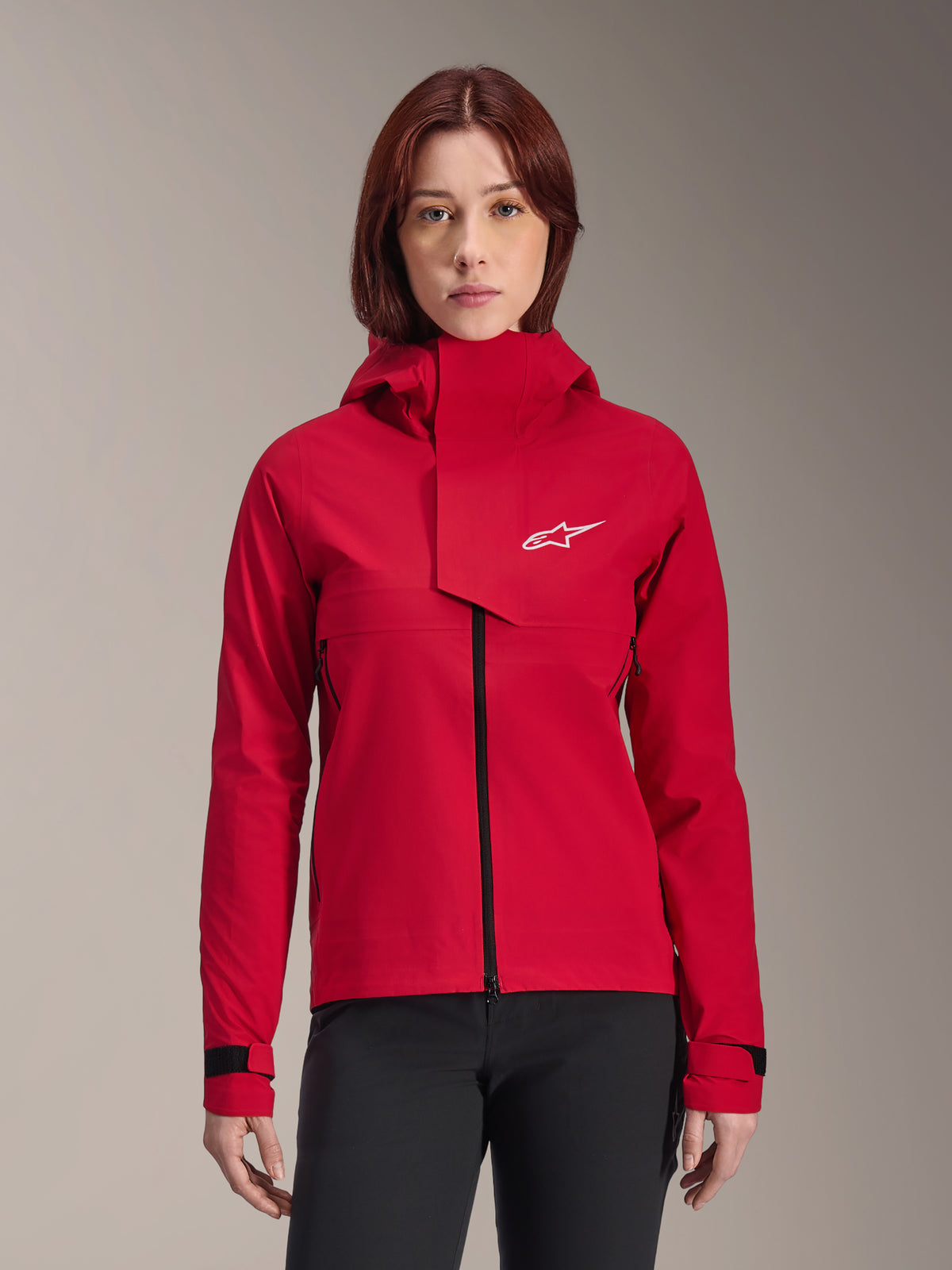
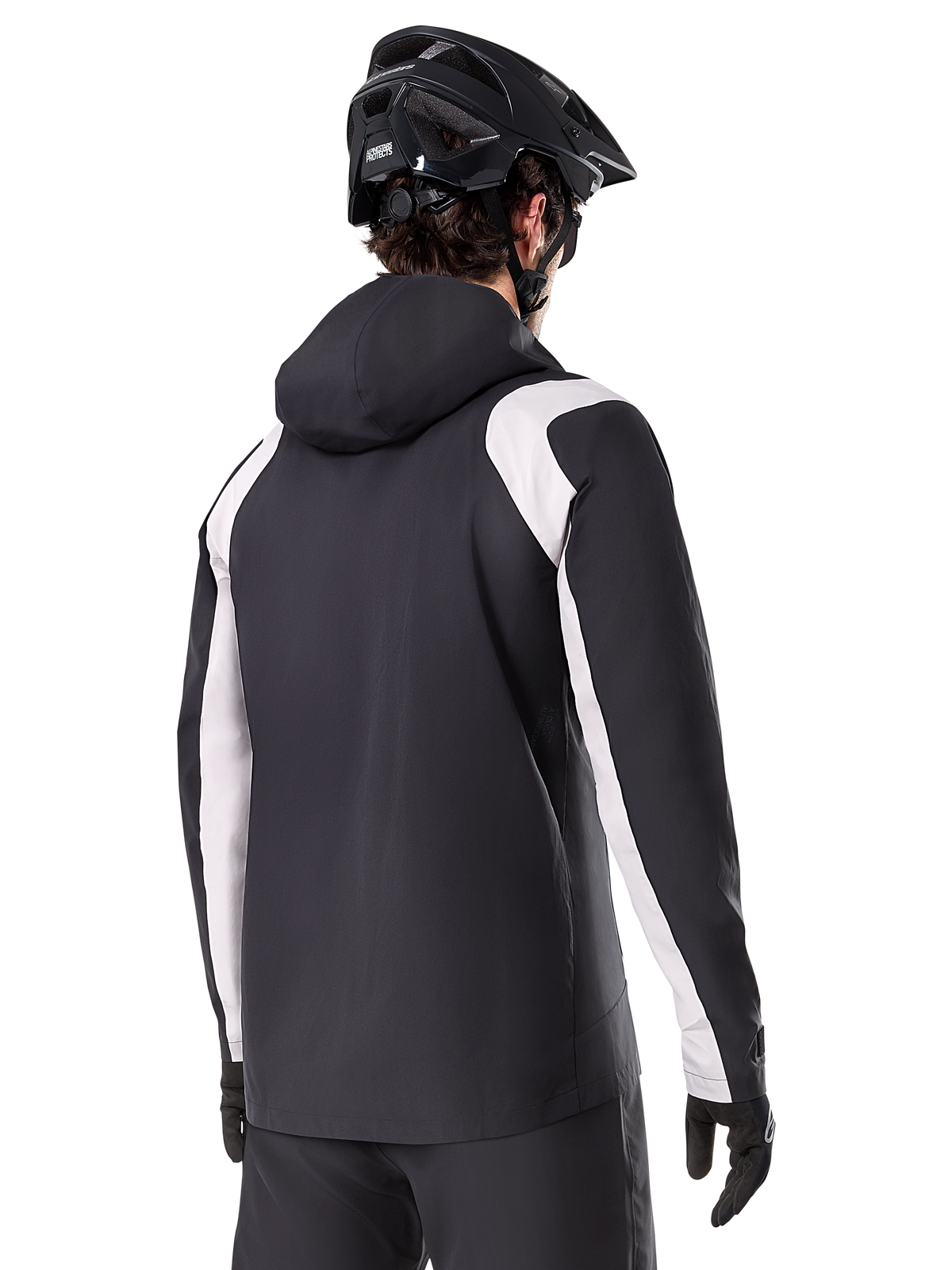
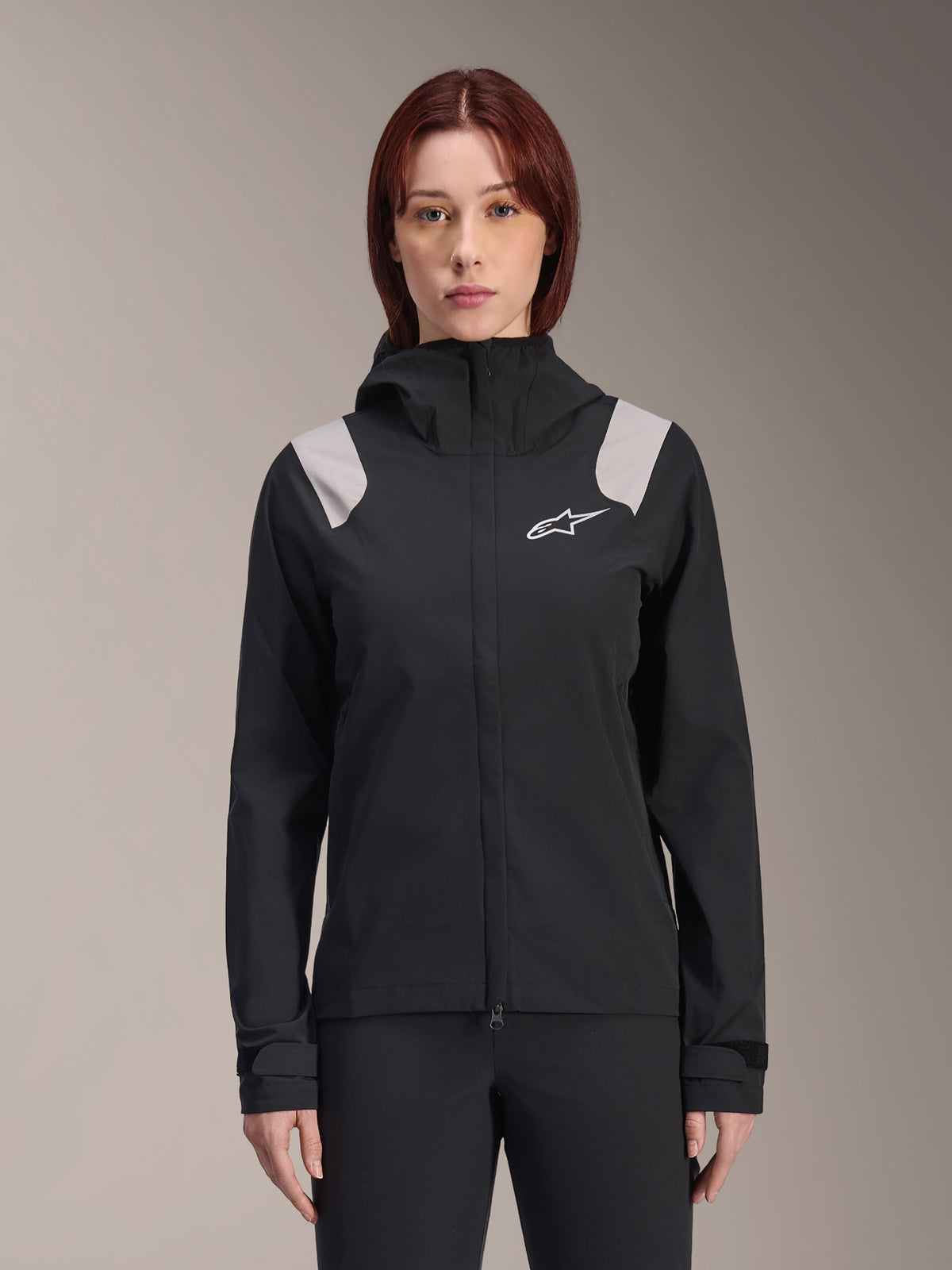
Stella A-Dura Elite Waterproof Jacket -
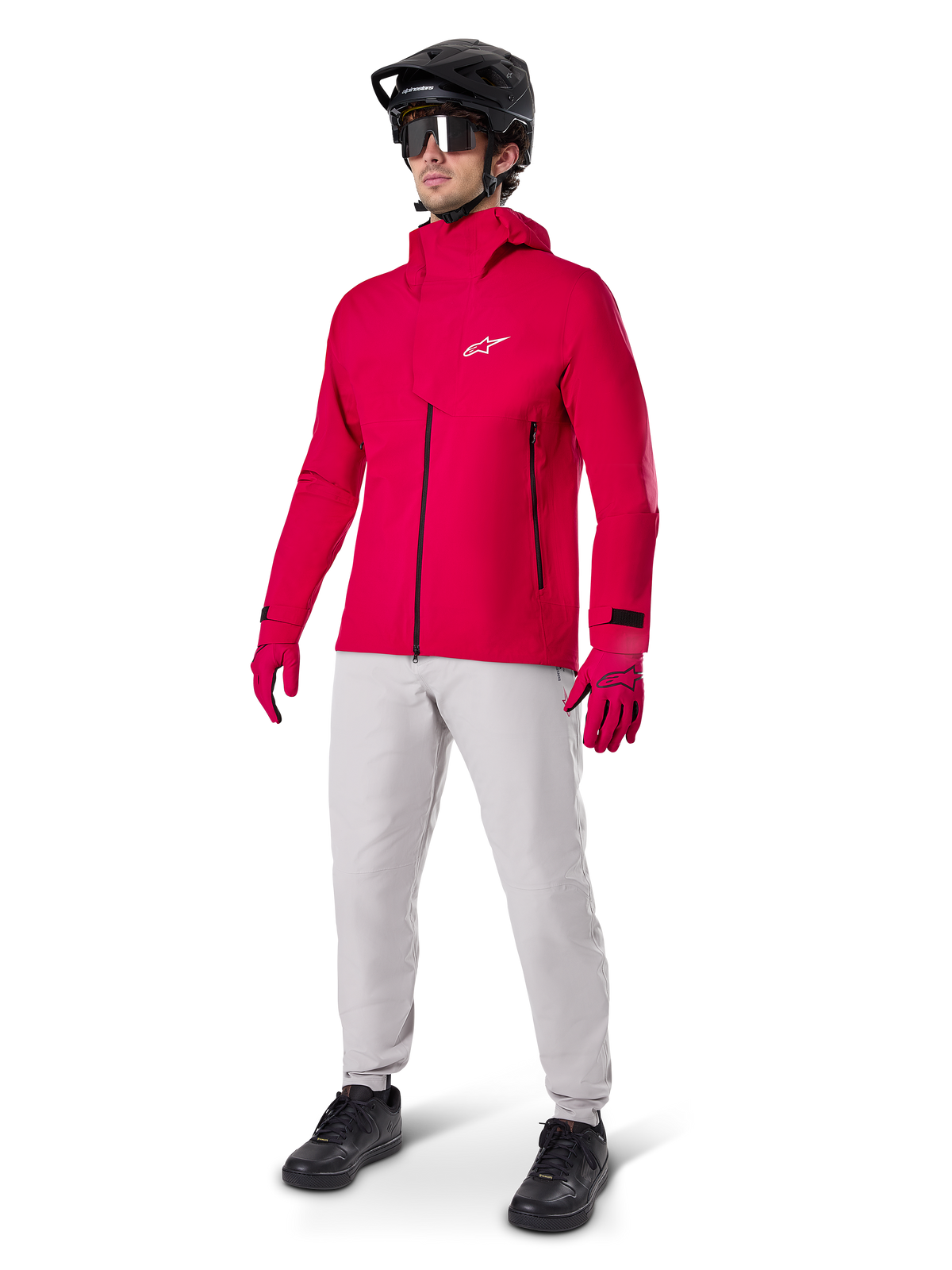
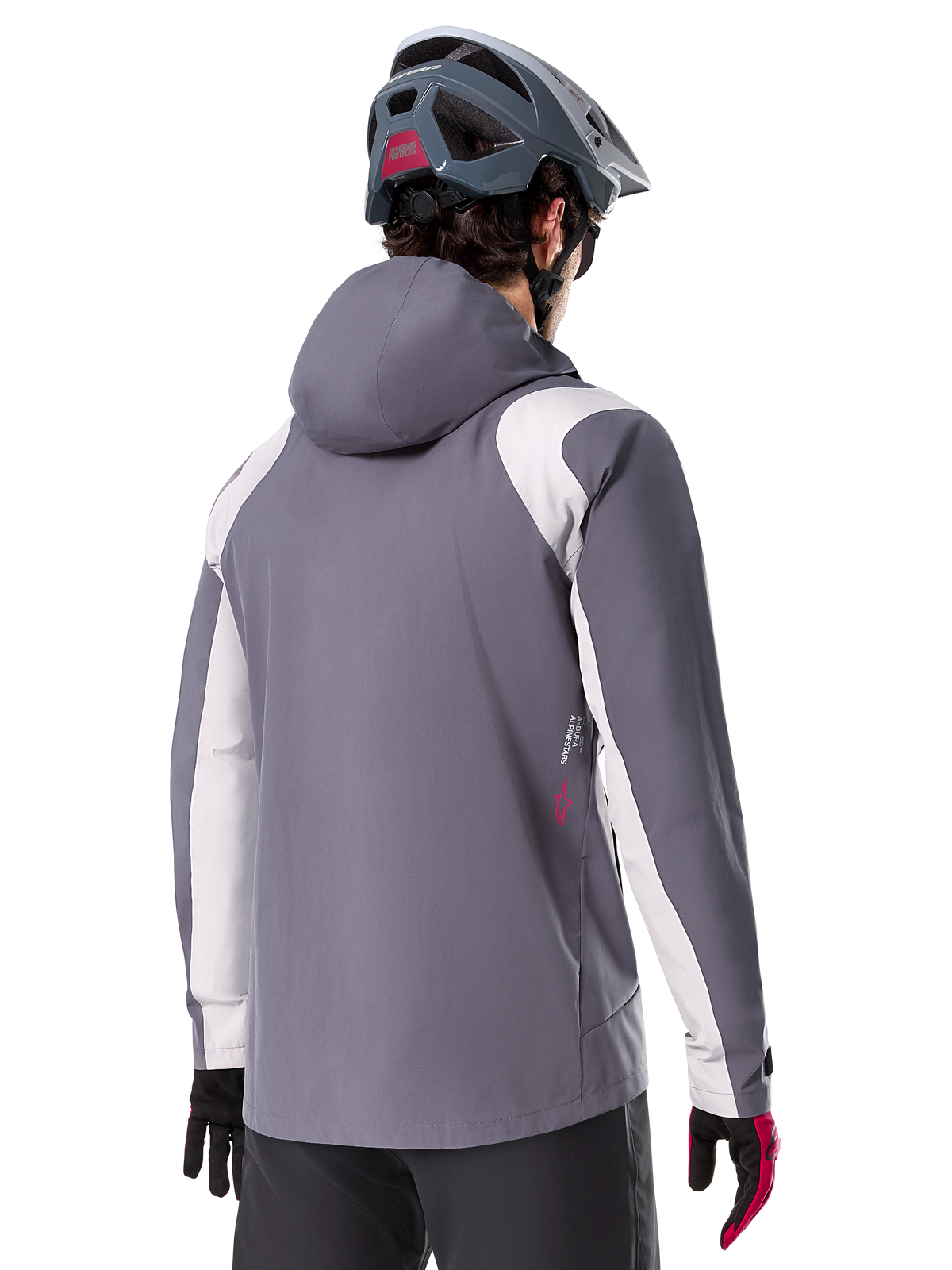
A-Dura Elite Waterproof Jacket -
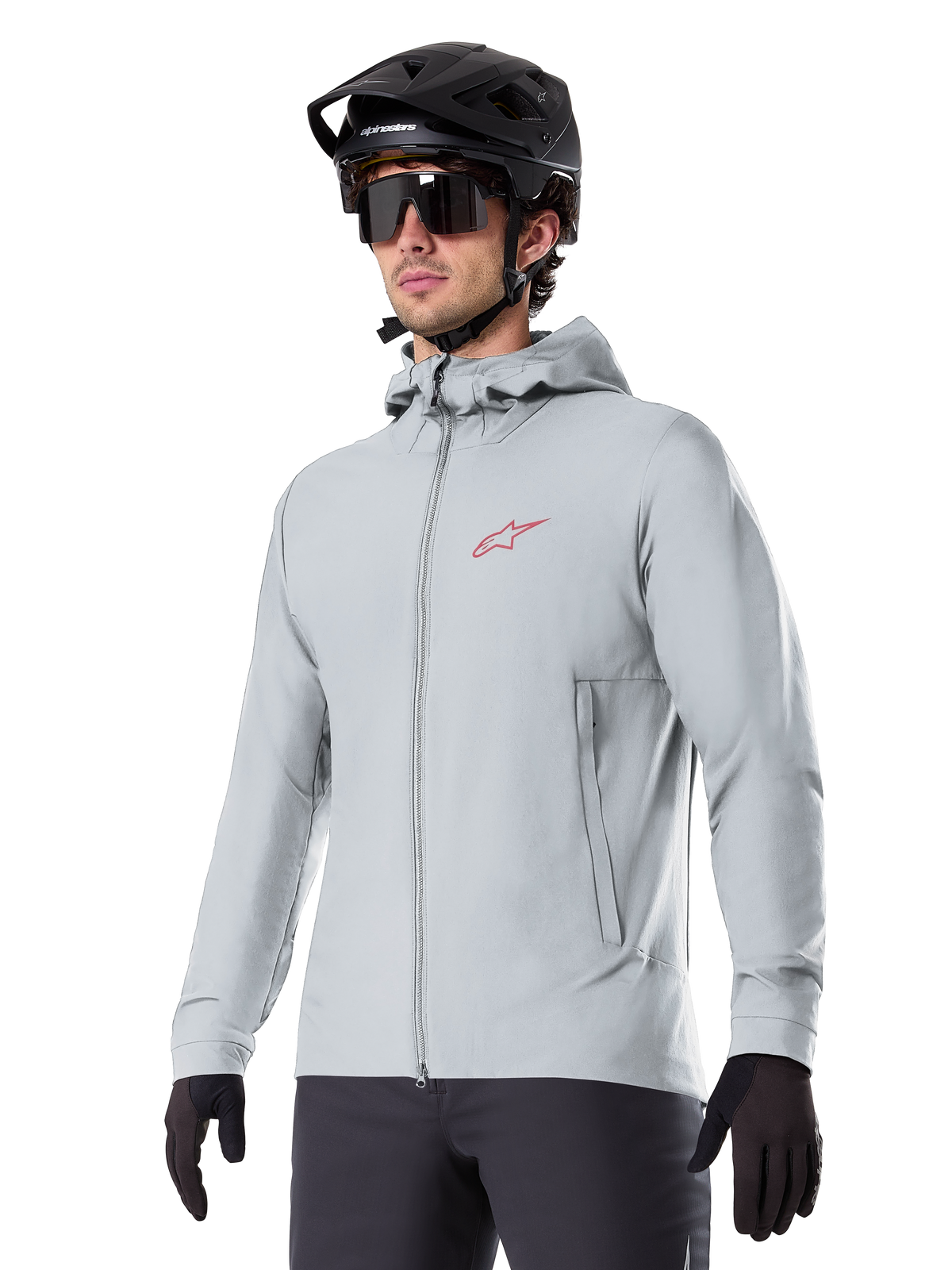
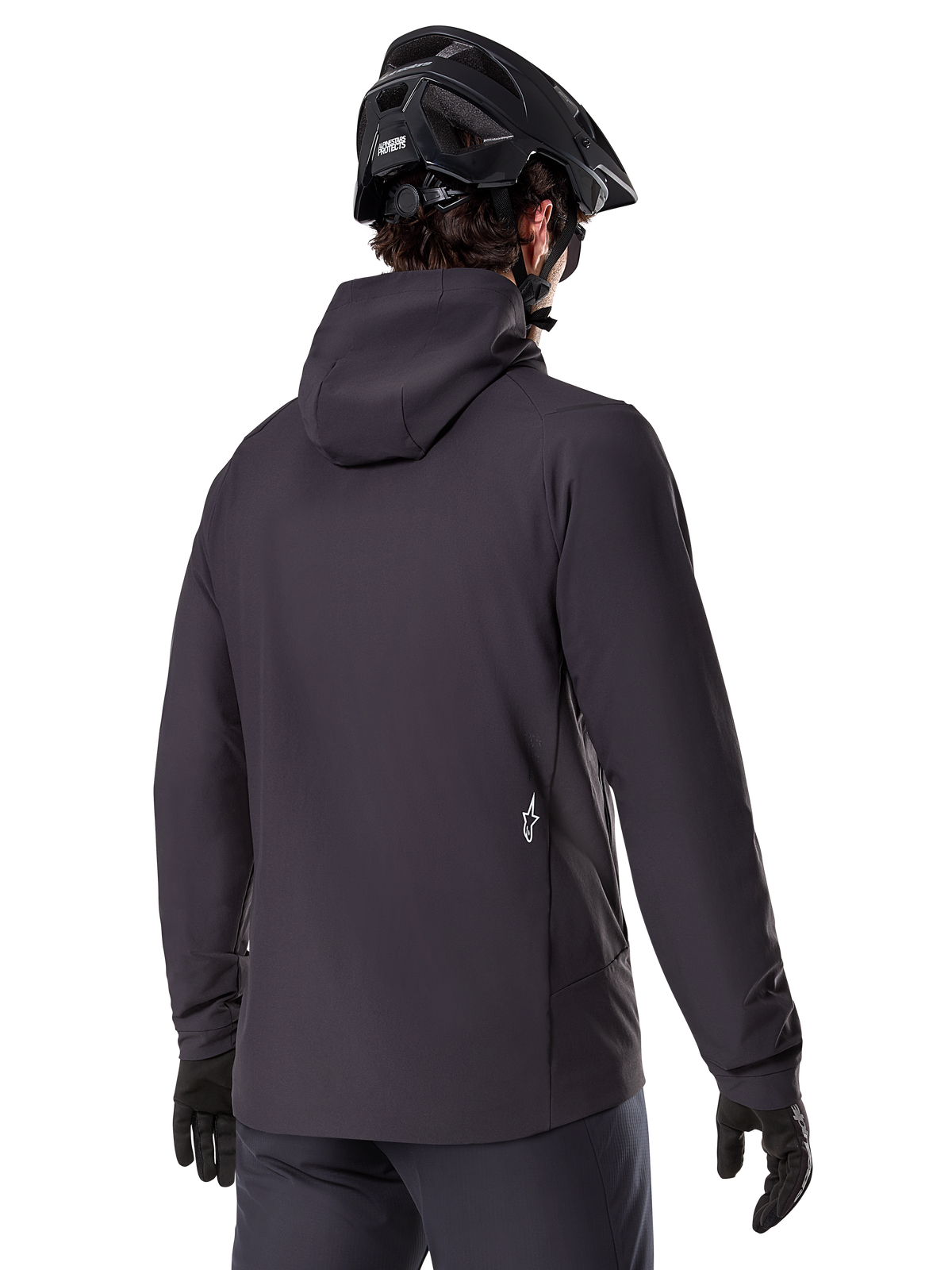
A-Dura Thermal Jacket -
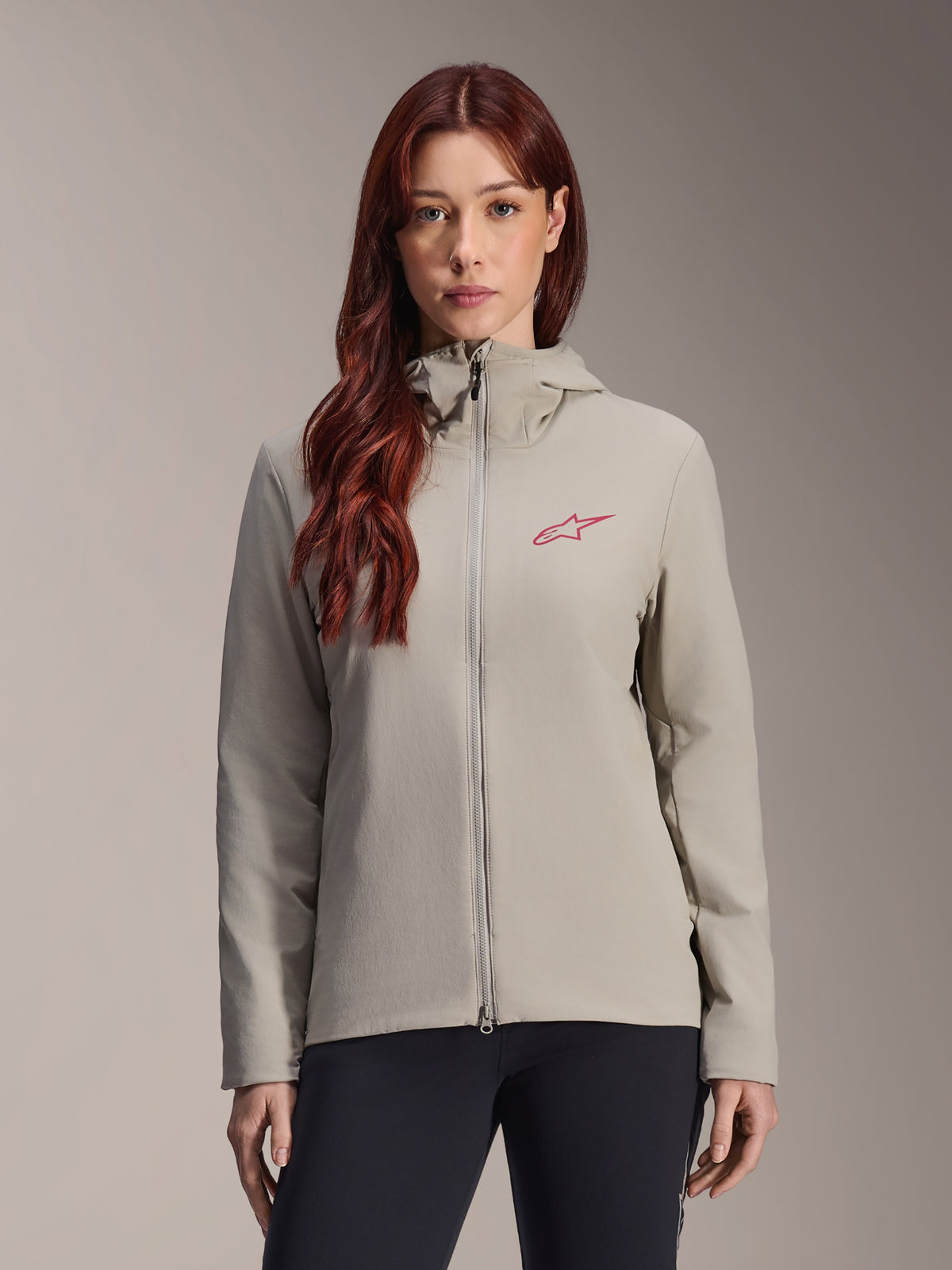
Stella A-Dura Rain Jacket -
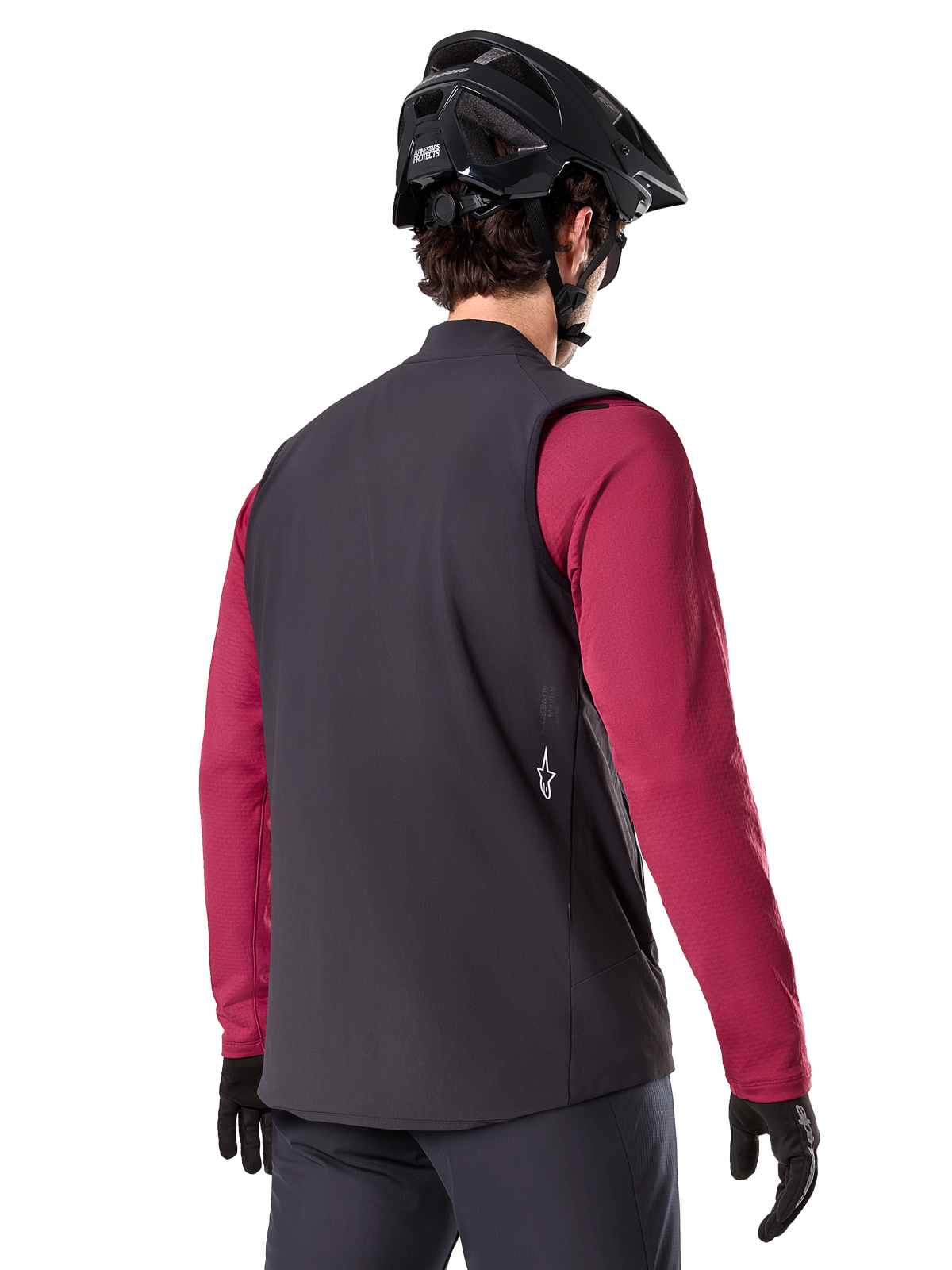
A-Dura Thermal Vest -
Stella A-Dura Thermal Jacket -
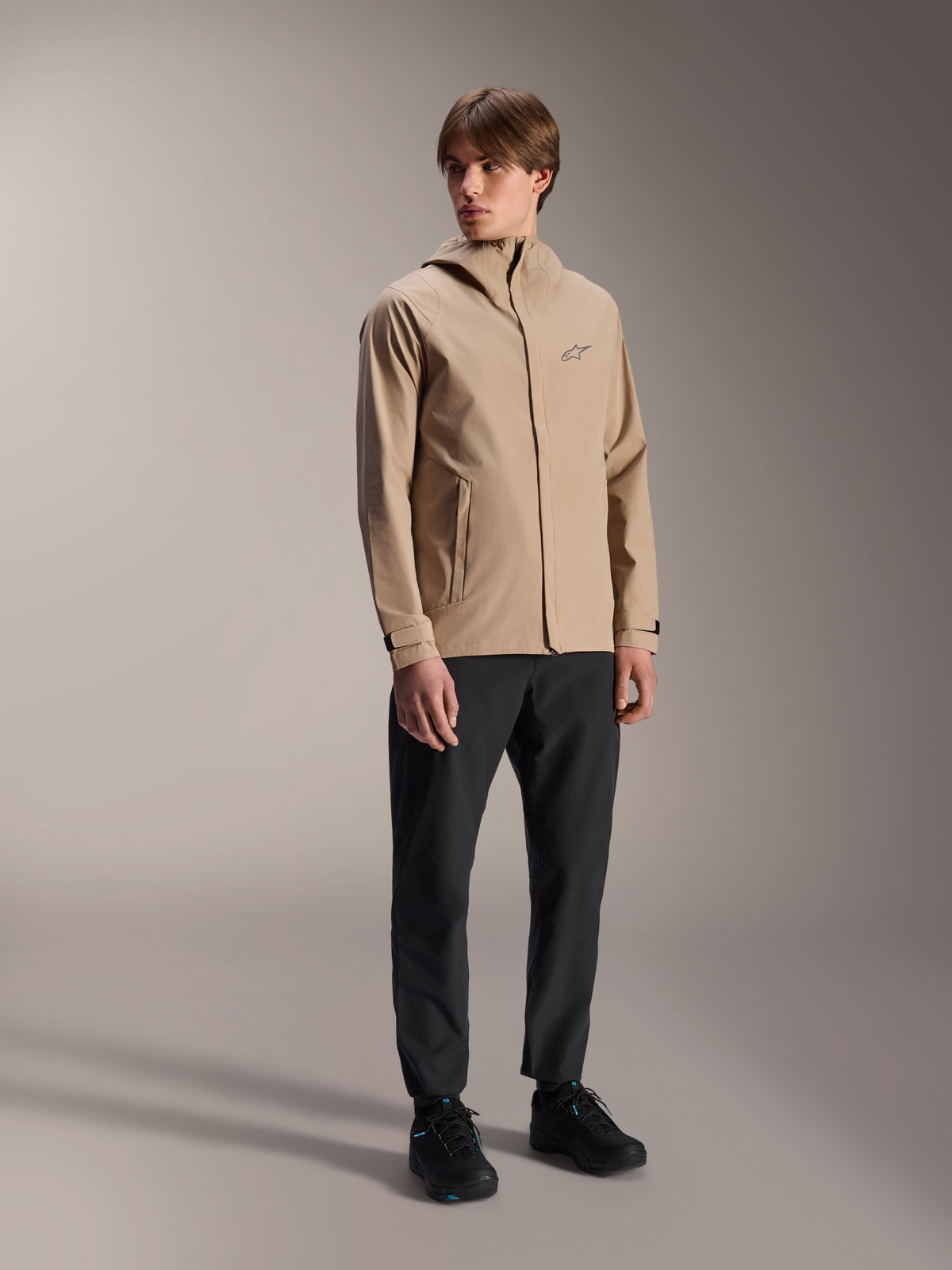
A-Dura Rain Jacket -
A-Dura Rain Jacket -
A-Dura Thermal Jacket -
A-Dura Elite Waterproof Jacket -
A-Dura Thermal Vest -
Stella A-Dura Rain Jacket -
Stella A-Dura Elite Waterproof Jacket -
Stella A-Dura Thermal Jacket -
A-Dura Rain Jacket -
Stella Descender Jacket






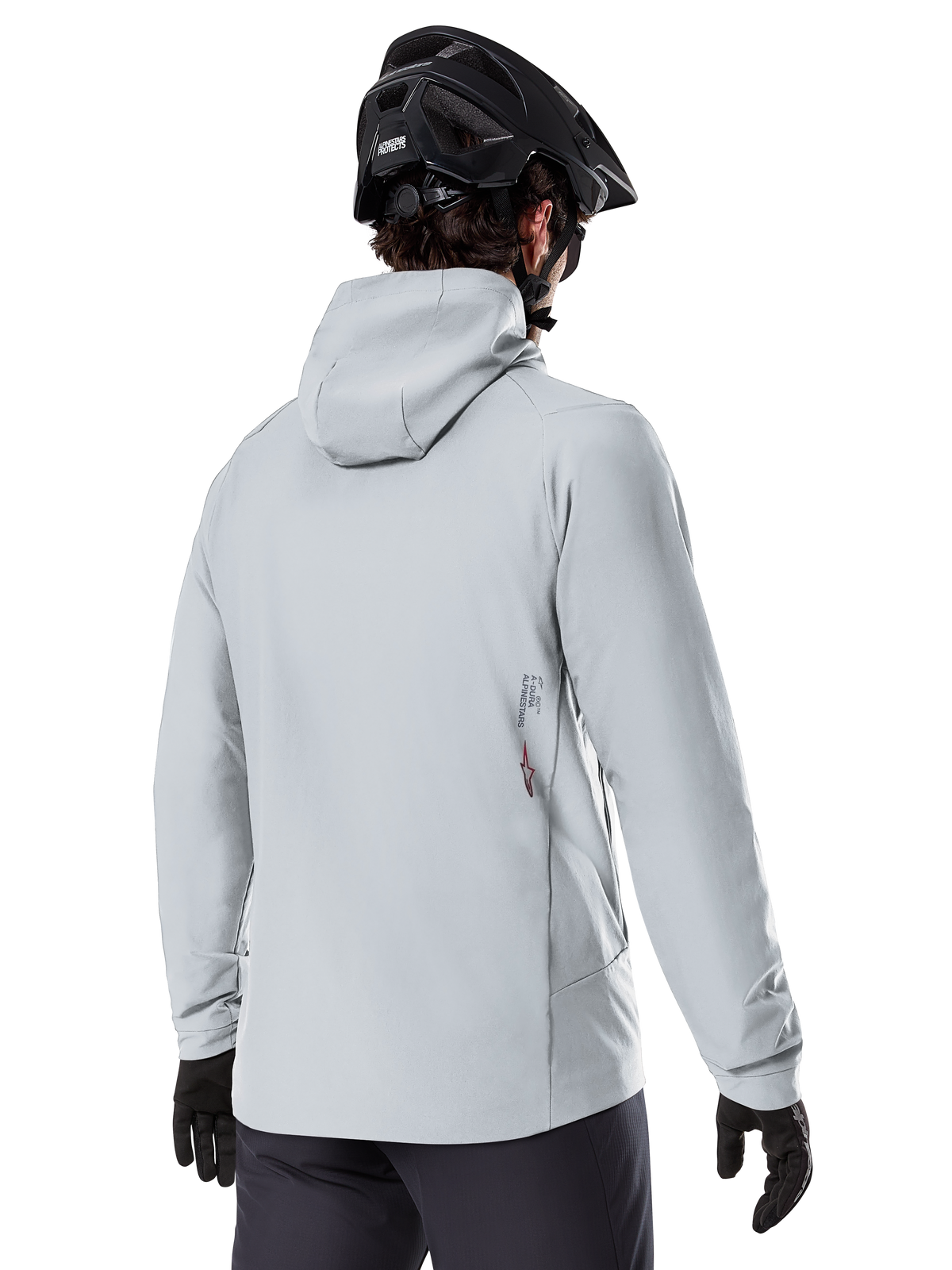


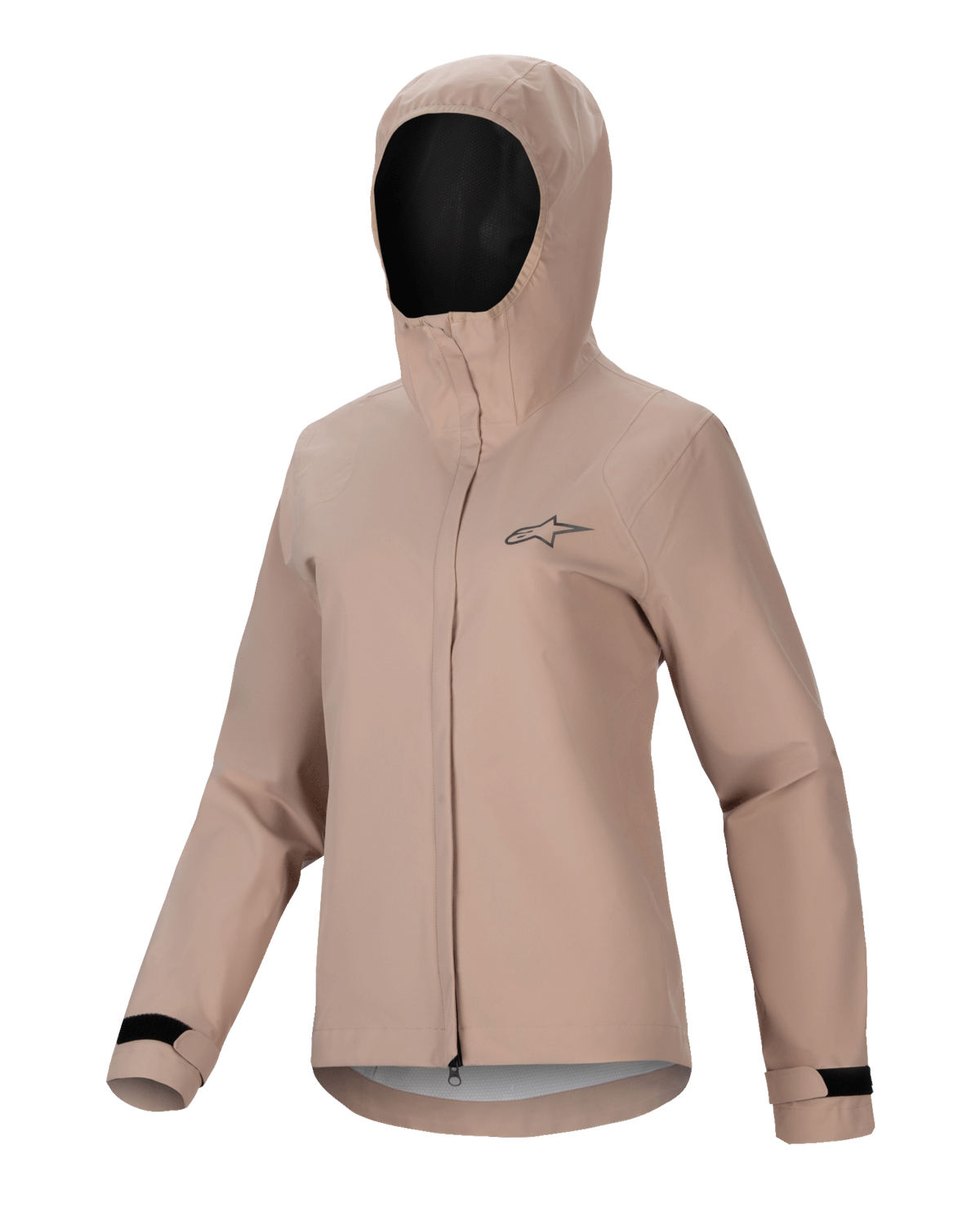
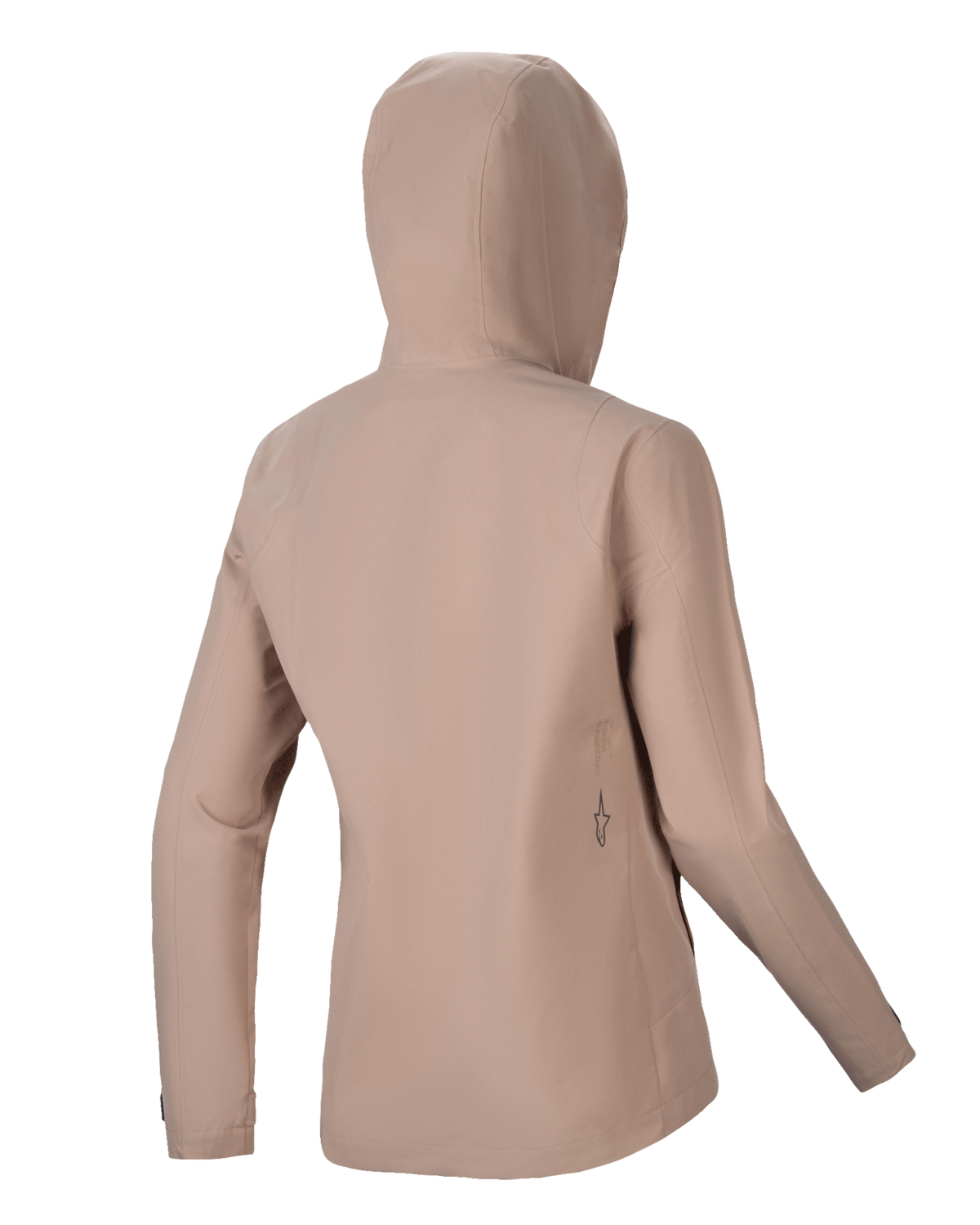


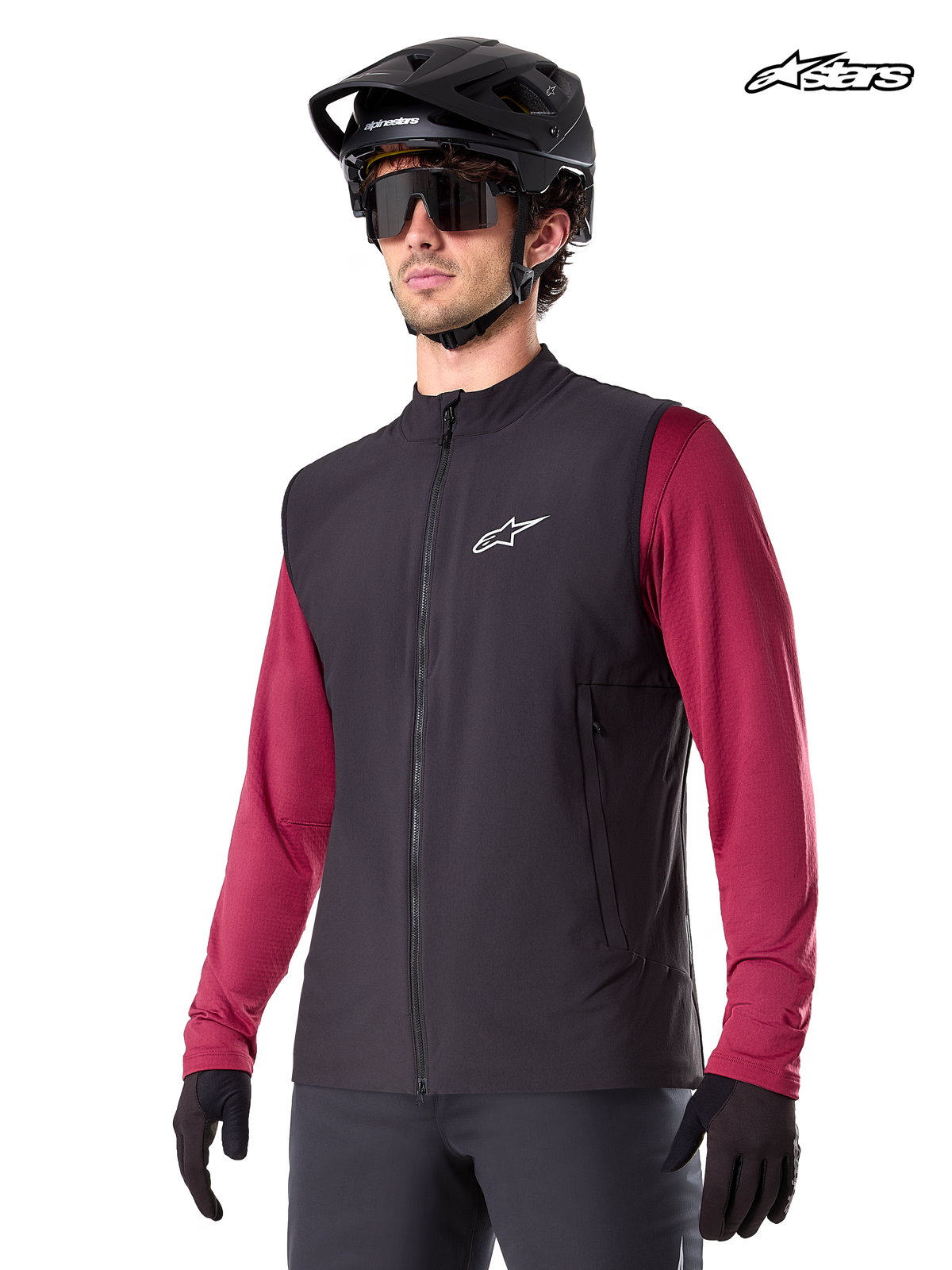













17 of 17 products
All products loaded
Frequently asked questions Hide FAQs
What are winter MTB jackets and vests designed for?
Winter MTB jackets and vests are built for cold-weather mountain biking, where riders need protection from wind, light rain, mud spray, and lower temperatures without losing mobility on the bike. Across the collection, the focus is on balancing weather resistance, breathability, and freedom of movement for trail, enduro, and all-mountain riding.
Compared with standard trail outerwear, winter MTB layers typically use thermal or weather-protective fabrics, rider-specific cuts, and features such as extended rear coverage, adjustable hems, and ventilation management for changing effort levels on climbs and descents.
Should I choose a winter MTB jacket or a vest?
The right choice depends on temperature, wind exposure, and how much weather protection you need. A winter MTB jacket gives full-arm coverage and is the better option for colder, wetter, or more exposed rides. A vest is more breathable and works well when you want core warmth but expect higher output on climbs or milder winter conditions.
| Option | Best for | Main benefit |
|---|---|---|
| Winter MTB jacket | Cold, wet, or windy rides | More complete weather coverage and insulation |
| Winter MTB vest | Cool, dry, high-output rides | Core warmth with more arm ventilation and mobility |
Many riders use a vest as part of a layering system, while a jacket is usually the more protective outer layer for harsher winter conditions.
How should a winter MTB jacket or vest fit?
A winter MTB jacket or vest should fit close enough to avoid flapping at speed, while still leaving room for a base layer, thermal mid-layer, or low-profile protection if needed. The ideal fit stays stable in a riding position, with enough articulation through the shoulders and elbows to move freely on technical terrain.
If you regularly ride with body protection, check that the outer layer can sit smoothly over the armor without pulling across the chest, shoulders, or back. A proper MTB-specific fit should support layering and mobility rather than feeling bulky or restrictive.
Are winter MTB jackets and vests waterproof or insulated?
This collection can include different levels of weather protection depending on the model. Some winter MTB jackets are built around waterproof or highly water-resistant shells for wet conditions, while others focus more on thermal insulation, wind protection, and breathability for cold but drier rides. Vests are typically chosen for core warmth and temperature regulation rather than maximum rain coverage.
For winter riding, the key is matching the outer layer to your local conditions. Waterproof shells are better for sustained rain and trail spray, while insulated or thermal pieces are often the stronger option for cold days where breathability matters as much as weather protection.
How do I wash and care for a winter MTB jacket or vest?
Wash technical MTB outerwear according to the care label, typically using cold water, a gentle cycle, and mild detergent. Avoid bleach and fabric softeners, as they can reduce the performance of breathable membranes, insulation, and water-repellent finishes.
Air dry whenever possible, or use low heat only if the care label permits it. If the garment uses a durable water-repellent treatment, periodic reproofing may help restore water shedding over time. Always empty pockets and close zips before washing to reduce wear on the fabric and trims.