
39 results
-
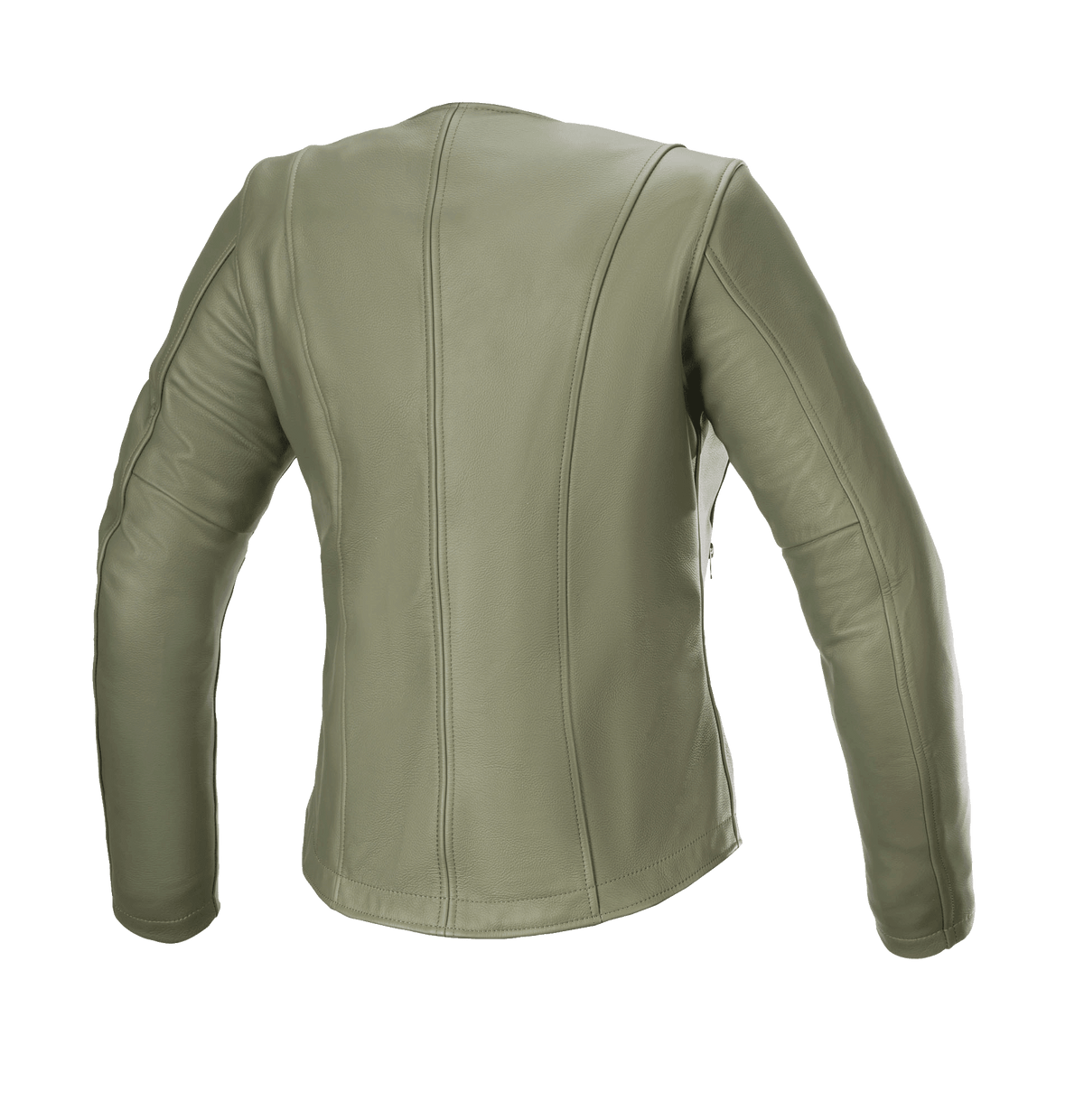
Revea Women Leather Jacket -
Stella Maver-X Leather Jacket -
Stella C-1 Waterproof Jacket -
Stella C-1 Waterproof Jacket -
Stella C-1 Waterproof Jacket -
Stella Grace Jacket -
Stella Moshell Jacket -
Stella Moshell Jacket -
Stella Grace Jacket -
Idles Jacket -
Idles Jacket -
Stella Troop-Air Jacket -
Molly Air Jacket -
Stella Circal-1 Air Jacket -
Stella C-1 Air Jacket -
Stella T-Dyno Air Jacket -
Stella T-Dyno Air Jacket -
Stella C-1 Air Jacket -
Molly Air Jacket -
Stella C-1 Air Jacket -
Stella T-Dyno Water Resistant Jacket -
Stella Troop-Air Jacket -
Stella C-1 Air Jacket -
Stella T-Dyno Water Resistant Jacket -
Molly Air Jacket -
Stella T-Dyno Water Resistant Jacket -
Stella T-Dyno Air Jacket -
Isla Water Resistant Jacket -
Isla Water Resistant Jacket -
Tory Leather Jacket -
Stella Dyno Leather Jacket -
Stella Dyno Leather Jacket -
Banshee Fleece -
Alice Leather Jacket -
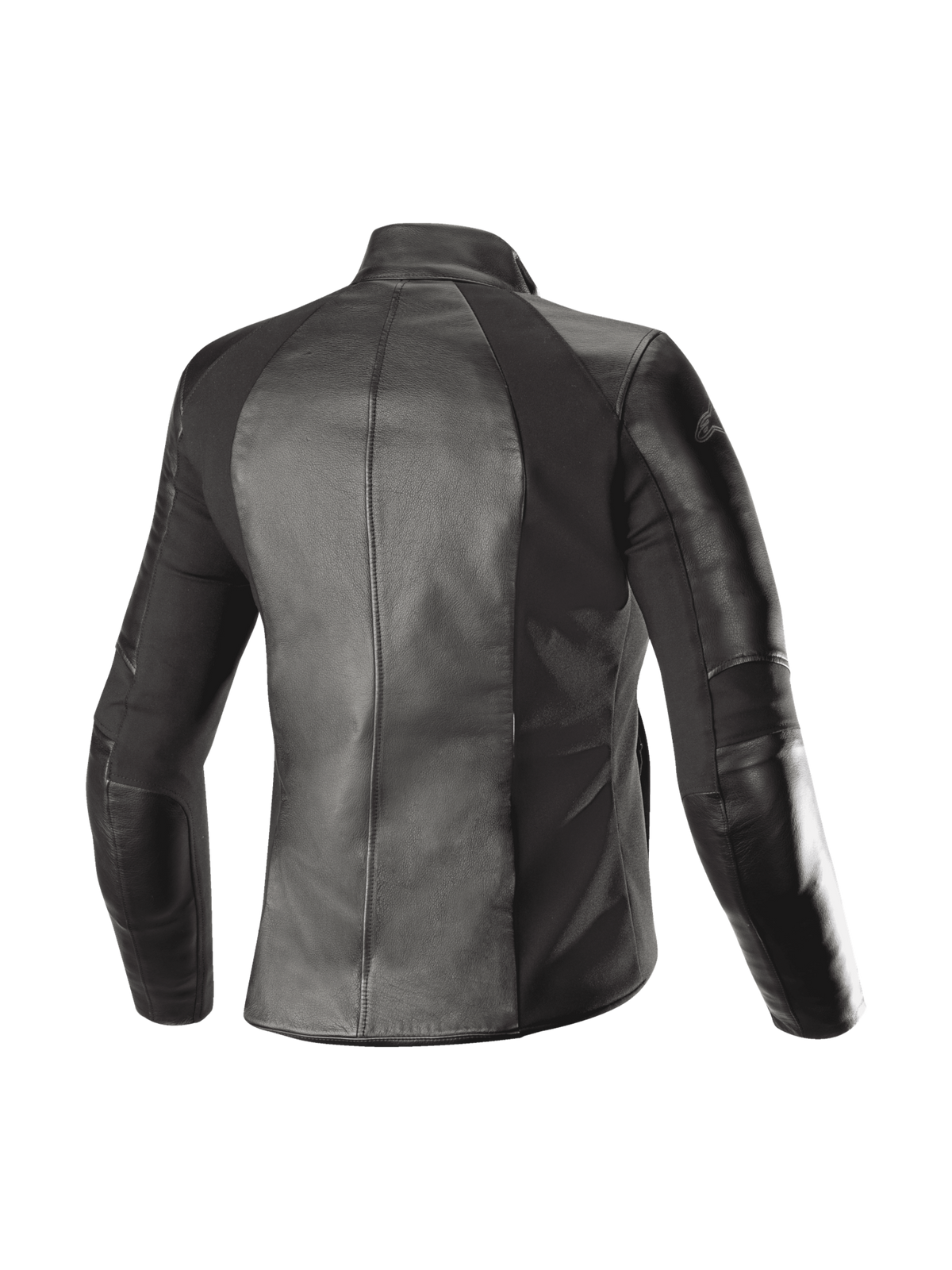
Stella Vika V2 Leather Jacket -
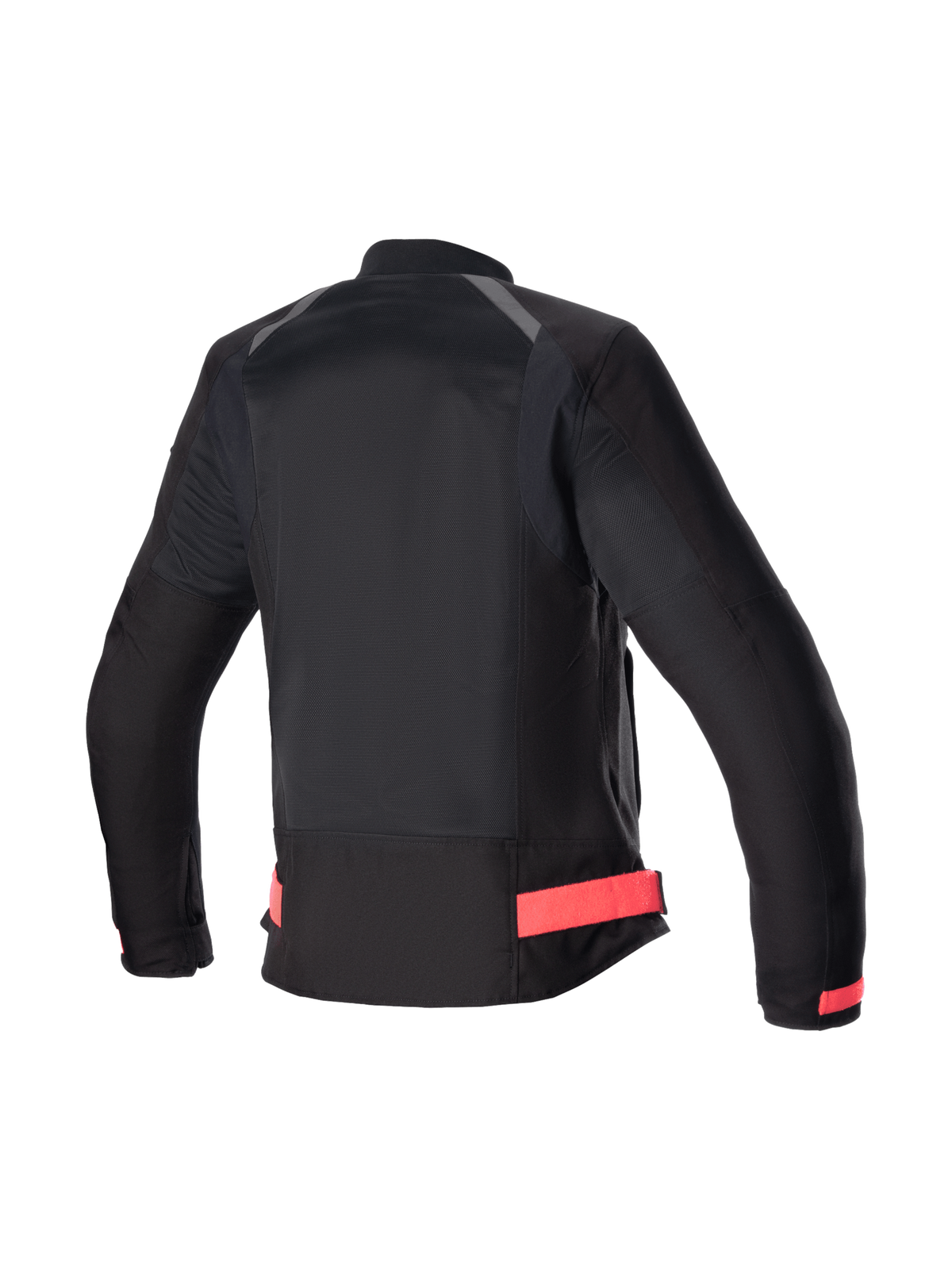
Eloise V2 Air Jacket
















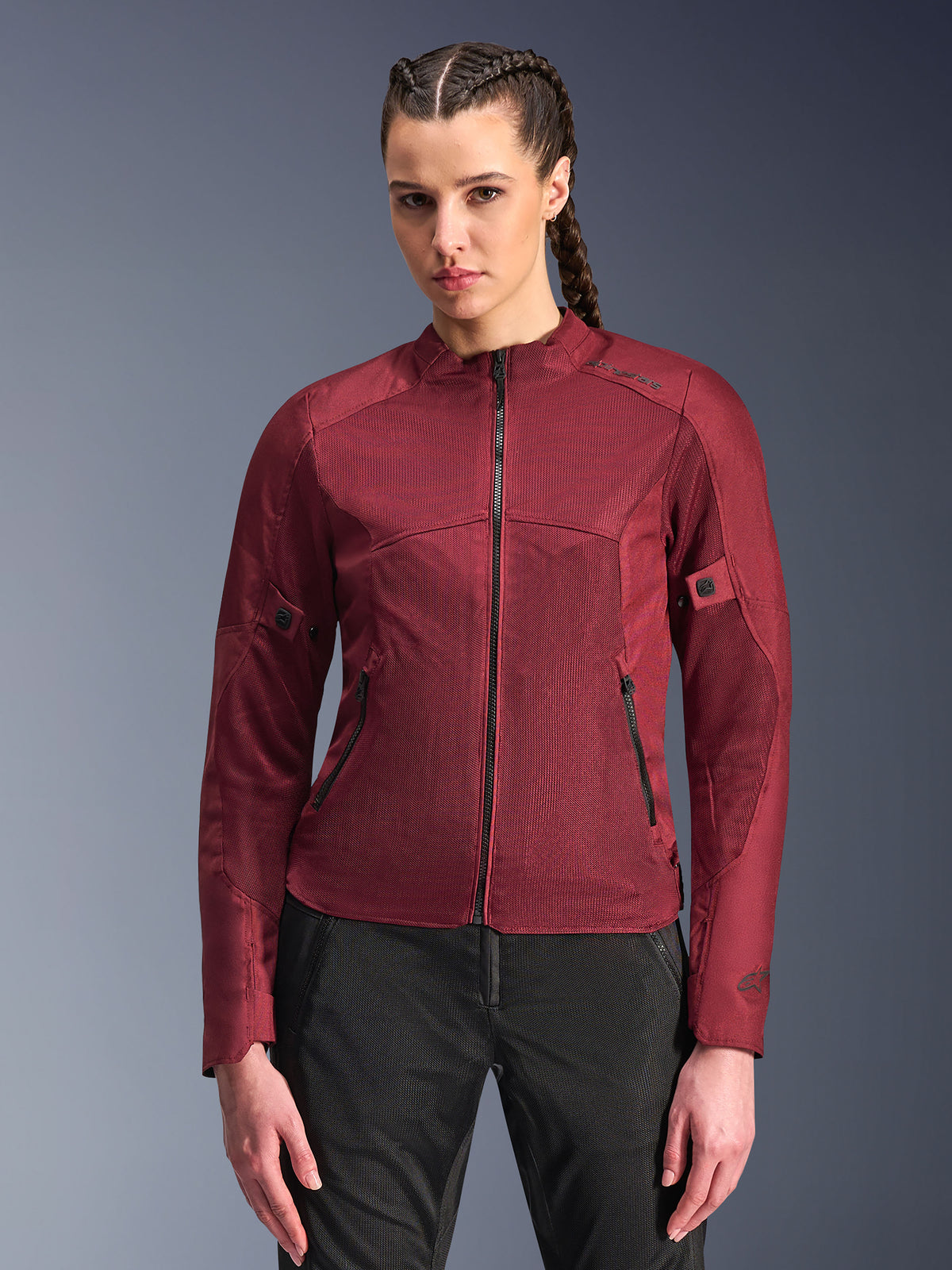


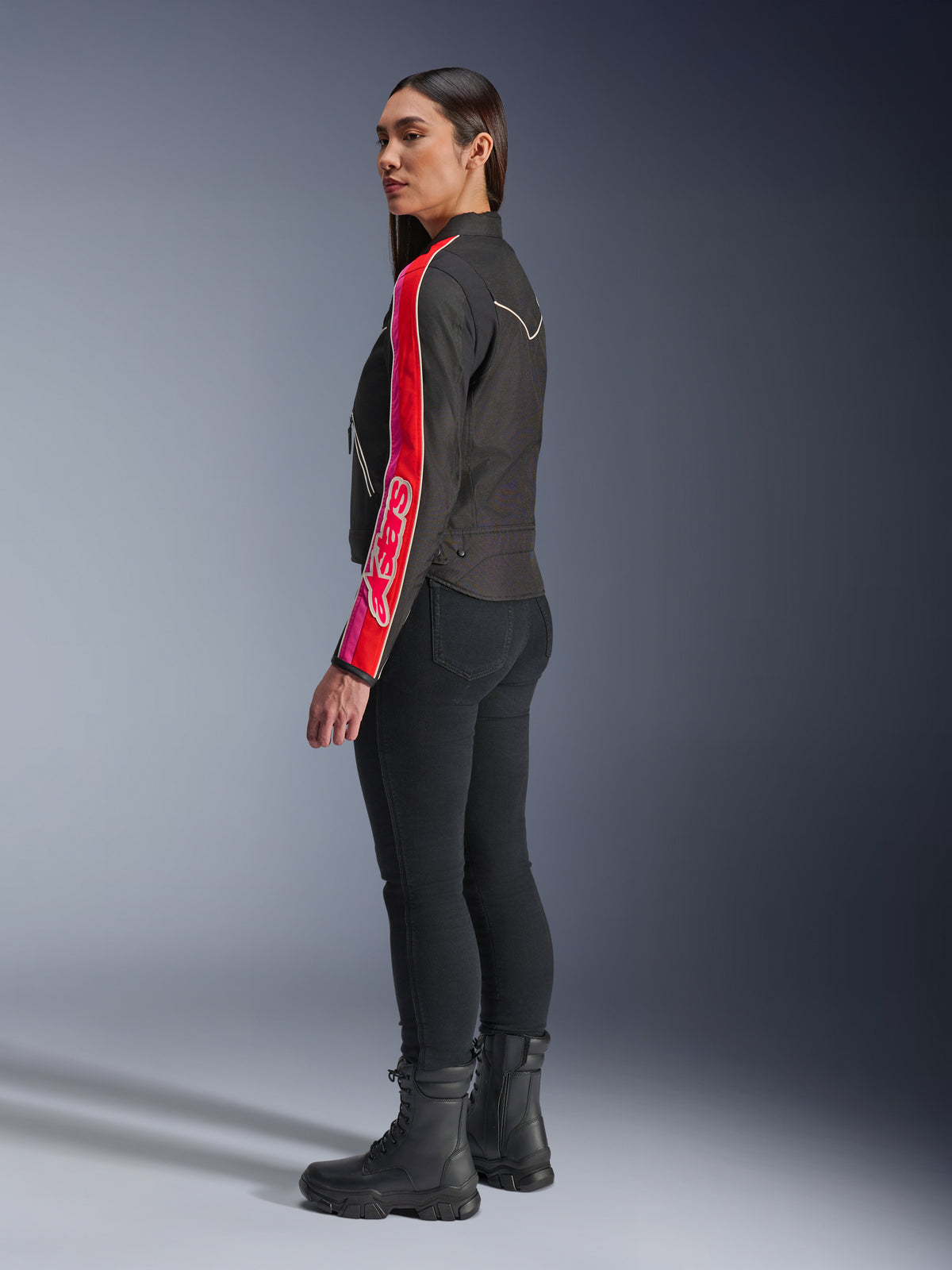


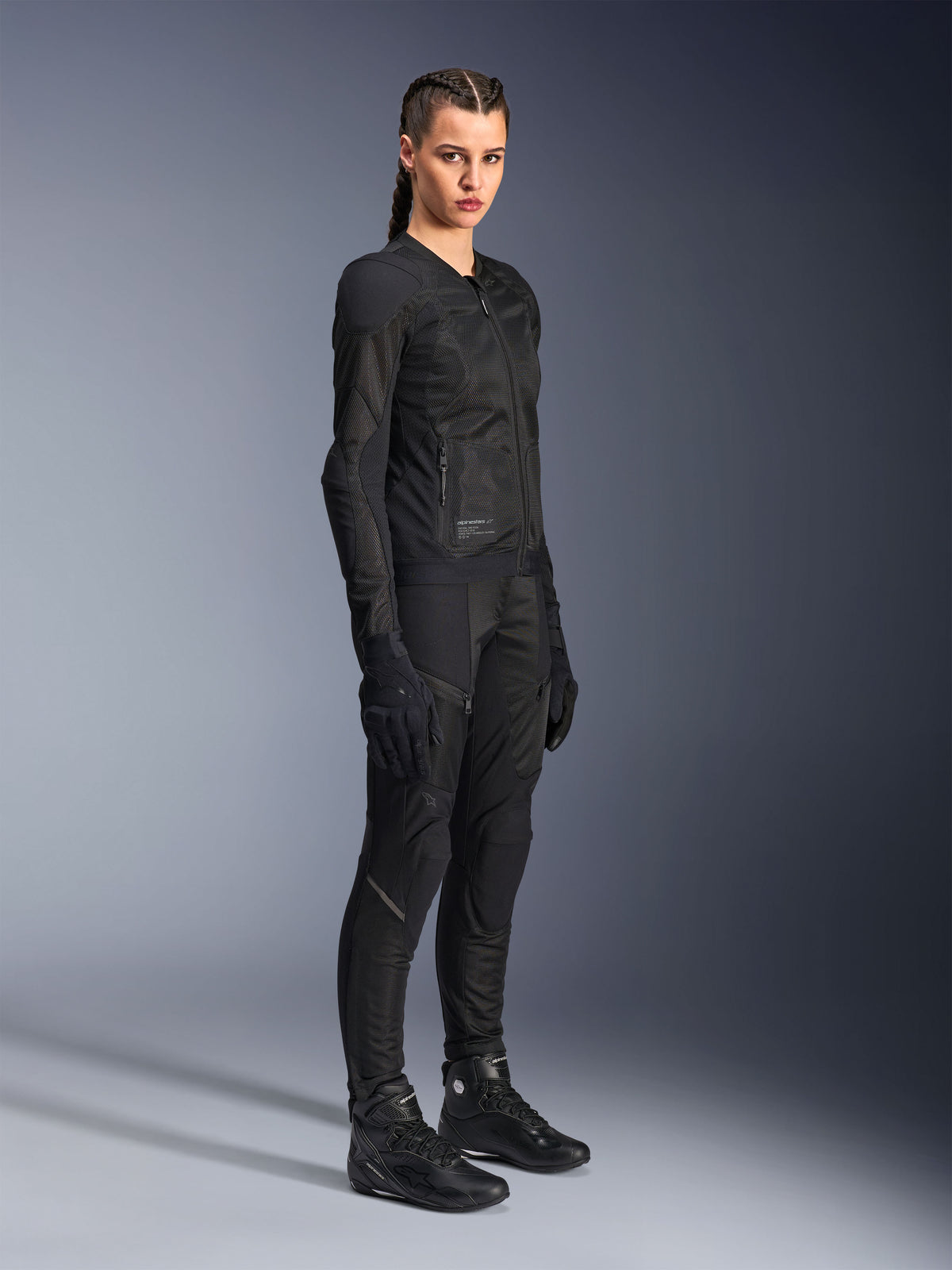

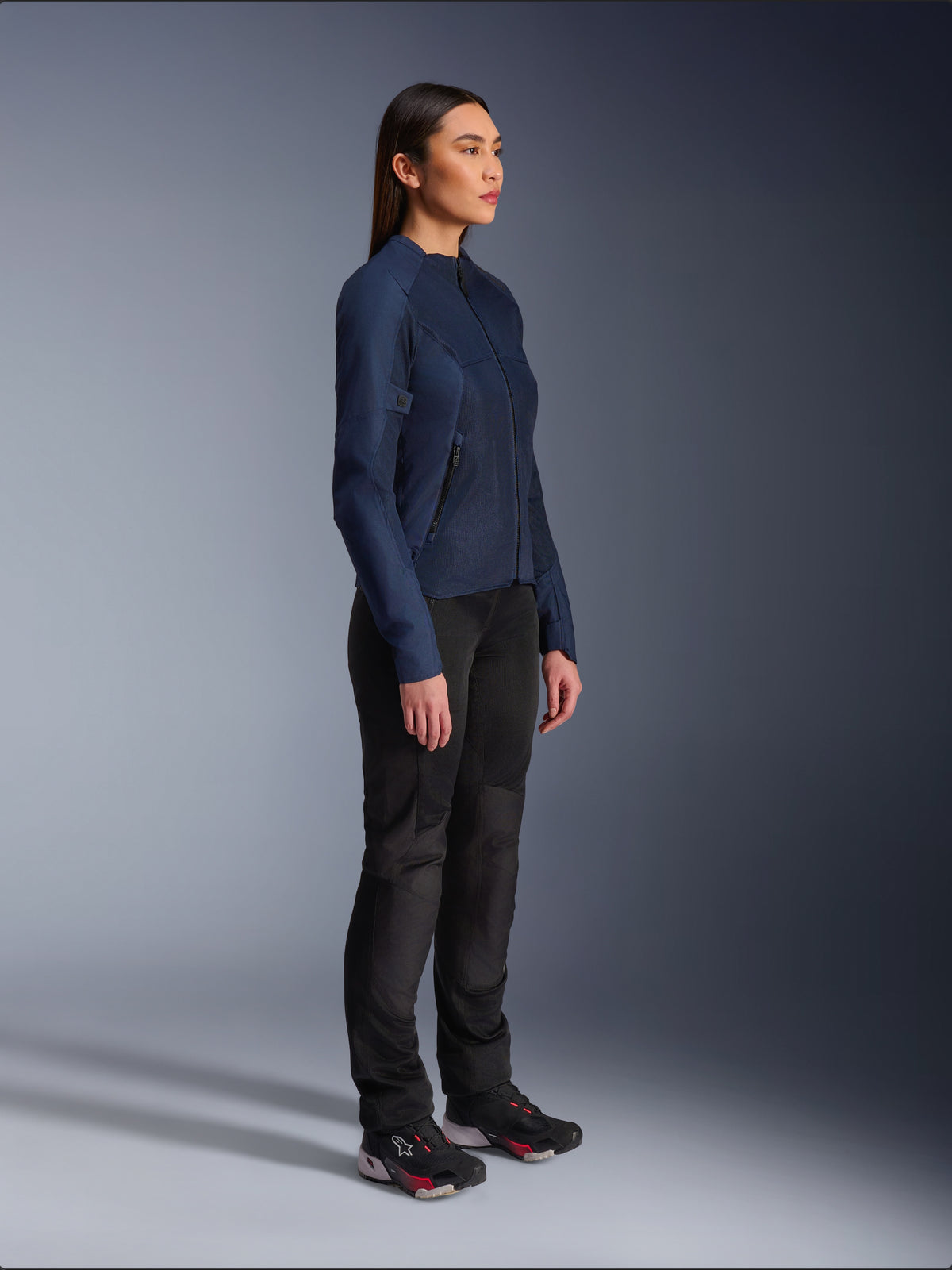

















Frequently asked questions Hide FAQs
How do women’s urban motorcycle jackets in this collection fit, and how should I choose the right size?
These jackets use performance-focused, women’s-specific patterning designed to sit close to the body without restricting reach to the handlebars. Start with your bust, waist, and hip measurements and compare to the size chart on each product page. The jacket should feel snug at the shoulders and sleeves with armor sitting correctly, and it should not pull when you extend your arms in a riding position.
If you plan to layer base/mid layers or use additional back/chest inserts or an airbag vest, allow room accordingly. When between sizes, consider your intended layering and choose the size that maintains mobility and proper armor placement.
What safety certifications and armor should I look for in women’s urban jackets?
Most technical motorcycle jackets reference EN 17092 garment classifications (AAA/AA/A) to indicate overall abrasion and seam performance. Urban-focused jackets commonly target A or AA for a balance of protection and flexibility; higher-speed use may warrant AA or AAA depending on construction.
For impact protection, look for CE-certified armor to EN 1621-1 at the shoulders and elbows and a pocket or insert to EN 1621-2 for the back (some styles also accept divided chest inserts to EN 1621-3). Check each product description and label for the exact standard and level.
Which materials work best for city riding and different seasons in this collection?
Construction varies to balance airflow, weather protection, and abrasion resistance. Use this guide to match materials to conditions:
| Material | Urban Use Case | Key Properties |
|---|---|---|
| Textile / Mesh | Hot‑weather commuting | Lightweight; breathable panels; quick drying |
| Softshell / Casual‑style textile | Mixed conditions, low‑profile look | Flexible shells; often with armor pockets; wind/water resistance varies |
| Leather (often perforated) | Temperate weather, higher abrasion zones | High abrasion resistance; form‑fitting; limited waterproofing |
Select ventilation (mesh/perf), thermal liners, or waterproof membranes based on your climate and speed of travel. To explore adjacent options, see urban jackets or broader women’s motorcycle jackets.
Are women’s urban jackets here compatible with Tech‑Air airbag systems or armor upgrades?
Many garments include pockets for CE-certified armor inserts and some are marked “Tech‑Air® Compatible/Ready.” Compatibility depends on the specific jacket pattern, stretch zones, and designated clearance for deployment. Always check the product page for a clear compatibility note before pairing.
To confirm, visit the Tech‑Air® systems and use the Tech‑Air® compatibility checker to verify your jacket and select the appropriate airbag vest.
How should I wash and care for an urban motorcycle jacket to maintain performance?
For textiles: remove armor and any electronics, close zips/Velcro, and machine wash cold on gentle with mild detergent only if the care label permits. Avoid bleach and fabric softeners, then air dry away from direct heat. Reproof the DWR on shells when water stops beading; low heat can help reactivate DWR if allowed by the label.
Leather should not be machine washed. Wipe with a damp cloth, allow to dry naturally, and condition with a suitable leather treatment. Always follow the specific care instructions on the garment label.